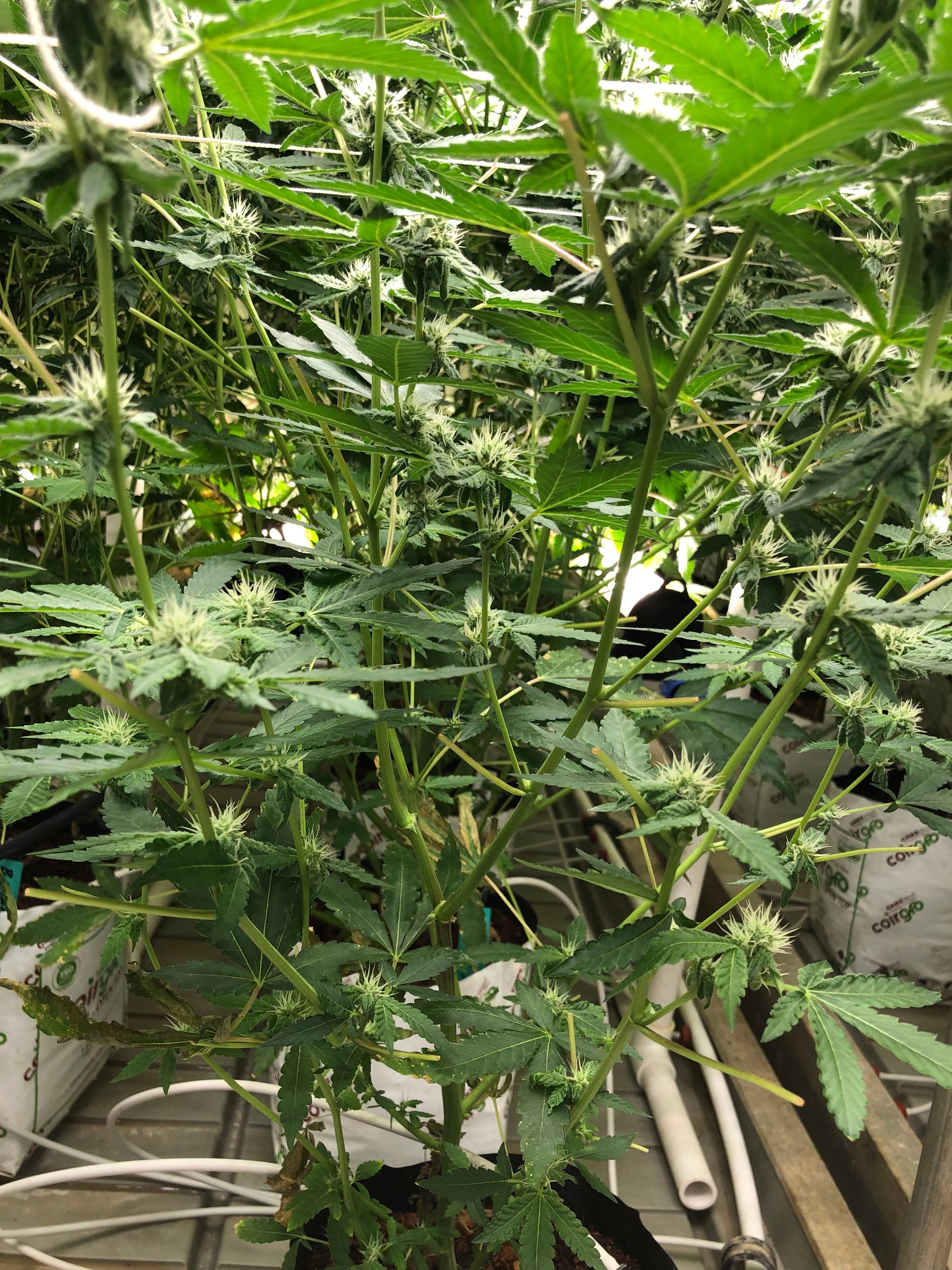

As the controlled-environment agriculture (CEA) industry continues evolving, one area gaining rapid momentum is the strategic use of under canopy lights to enhance lower-canopy photosynthesis and boost overall plant performance. With 2026 bringing significant updates to incentive programs nationwide, growers are increasingly evaluating how supplemental lighting below the canopy fits into the upcoming Grow Lights 2026 Rebates landscape.
Under-canopy illumination—once considered an experimental strategy—has become a mainstream tool in modern vertical farming, high-density cannabis cultivation, vine crops, and multi-tier environments. These systems deliver targeted photon flux to areas historically starved for light, improving yield consistency, lowering stem elongation, and enhancing bud development. In 2026, cultivators who pair high-efficiency top lighting with purpose-built under canopy lights will be well-positioned to qualify for higher-value energy rebates while boosting production across the full plant.
This article explores how under canopy lighting aligns with the upcoming rebate requirements, what utilities are demanding in terms of PPFD documentation, and how growers can strategically leverage modern LED solutions to capture both efficiency and yield advantages.
Why Under Canopy Lights Matter in 2026
Addressing the Biggest Inefficiency in Cultivation: Lower-Canopy Light Suppression
Traditional top-lighting systems—even the most advanced LED fixtures—struggle to deliver uniform PPFD beyond the upper canopy layer. As plants grow denser, lower leaves often receive minimal usable light, limiting their capacity for photosynthesis. This leads to uneven bud development, larf, lower cannabinoid concentration, and reduced overall efficiency.
Modern under canopy lights correct this imbalance by providing targeted illumination directly beneath the plant structure. These fixtures are engineered to deliver a uniform PPFD distribution across lower sites, often ranging between 80–150 µmol/m²/s, depending on crop type and stage. This PPFD range is ideal for supporting photosynthetic activity without shocking lower leaves or oversaturating shaded tissues.
Because under-canopy PPFD can now be precisely controlled, utilities are increasingly acknowledging the efficiency potential of these systems when paired with optimized top lighting. For 2026, this creates a compelling opportunity for growers to integrate under canopy lights into their rebate strategies.
How Under Canopy Lights Fit Into Grow Lights 2026 Rebates
Utilities Are Increasingly Requiring Full-Canopy Lighting Documentation
One of the biggest updates coming in 2026 is the expanded need for detailed lighting-plan documentation. Many utilities are adopting stricter PPFD uniformity benchmarks tied to statewide standards such as SWLG019-01, which influence how horticultural fixtures qualify for rebates.
Rather than focusing only on top-light wattage or fixture efficacy (µmol/J), utilities now want to understand how lighting is distributed across the full plant canopy. Under canopy lights are becoming a powerful tool for growers to meet these new uniformity expectations because they:
- Increase PPFD uniformity across middle and lower canopy layers
- Reduce dark zones that utilities flag during rebate reviews
- Improve whole-plant photon usage efficiency (PUE)
- Enable growers to use dimming more effectively on top-lighting fixtures
For utilities, this results in measurable energy savings. For growers, it results in improved financial returns—both in rebate dollars and improved yields.
Under-Canopy Lighting and Eligibility for Rebates
Although most horticultural rebate programs historically focused on top-lighting systems, utilities are now beginning to recognize the role of supplemental lighting. In many territories, under canopy lights can qualify for rebates if they meet the same efficacy criteria as top fixtures. This typically includes:
- High PPE values (generally above 2.7–3.0 µmol/J)
- DLC-listed or equivalent certification
- Low wattage per linear foot or per square foot
- Demonstrated contribution to full-canopy PPFD uniformity
Growers planning to upgrade or expand their lighting layouts will benefit from working with a professional utility rebate partner to ensure their chosen under-canopy system meets territory-specific requirements.
State-by-State Shifts Affecting Under-Canopy Lighting
LADWP
LADWP remains in an uncertain state following the 2025 pause of the BOSS horticulture program. While new applications are not being accepted, existing projects with a Notice to Proceed still have 12 months to complete installations. Growers implementing under canopy lighting as part of a full-facility lighting design may still qualify if pre-approved.
SCE
SCE’s 2026 program will require higher-efficiency, high-uniformity lighting layouts. Under canopy lights are expected to play a significant role in helping growers meet updated standards influenced by SWLG019-01. Lower-canopy PPFD maps may be required for rebate approval.
PG&E
PG&E’s 2025 program is oversold, and 2026 will introduce stricter requirements. Because PG&E often rewards energy savings based on whole-system performance, under canopy lights can help reduce total wattage by allowing growers to dim top lights while maintaining adequate PPFD throughout the canopy.
New York State
New York utilities will discontinue all horticultural rebates after 2025. While under canopy lights may still provide strong agronomic value, they will not be eligible for Grow Lights 2026 Rebates in the state.
NV Energy
With 2026 applications reopening January 1, growers using a combination of high-efficiency top lights and under canopy lights will likely find more structured opportunities to qualify—especially in vertical environments.
Mississippi Power
Among the most stable programs in the U.S., Mississippi Power continues to support horticultural lighting incentives. The inclusion of under canopy lighting in their rebate structures may increase as growers adopt multi-layer lighting approaches.
How Growers Can Prepare for 2026
Evaluate Your Lower-Canopy PPFD
One of the strongest rebate strategies for 2026 is demonstrating whole-canopy PPFD uniformity. Under canopy lights delivering 80–150 µmol/m²/s can dramatically improve lower-layer performance and strengthen your lighting plan during rebate review.
Choose High-Efficiency Fixtures
Rebates will favor high-PPE under canopy fixtures—particularly those exceeding 2.7–3.0 µmol/J. Many modern under-canopy bars listed on specialized lighting platforms already meet or surpass these thresholds.
Prepare Documentation Early
To maximize the chances of rebate approval, gather:
- PPFD heat maps (top, mid, and lower canopy)
- DLC or comparable certifications
- Fixture count, wattage totals, and layout files
- Photos of installed under-canopy systems
A qualified rebate partner can streamline the process.
Conclusion
As the LED market matures, the role of under canopy lights is becoming indispensable for high-yield, high-efficiency cultivation. Their ability to provide targeted PPFD to lower plant sections supports both agronomic performance and the full-canopy uniformity metrics that rebate programs increasingly require.
Growers who integrate efficient top-lighting systems with purpose-built under canopy fixtures—and align their documentation with 2026 requirements—will be perfectly positioned to capitalize on Grow Lights 2026 Rebates. By adopting high-efficiency designs, leveraging expert utility rebate guidance, and selecting advanced solutions from trusted providers like indoor grow light manufacturers and under canopy grow light specialists, cultivators can significantly reduce capital costs while elevating crop quality and yield in 2026 and beyond.