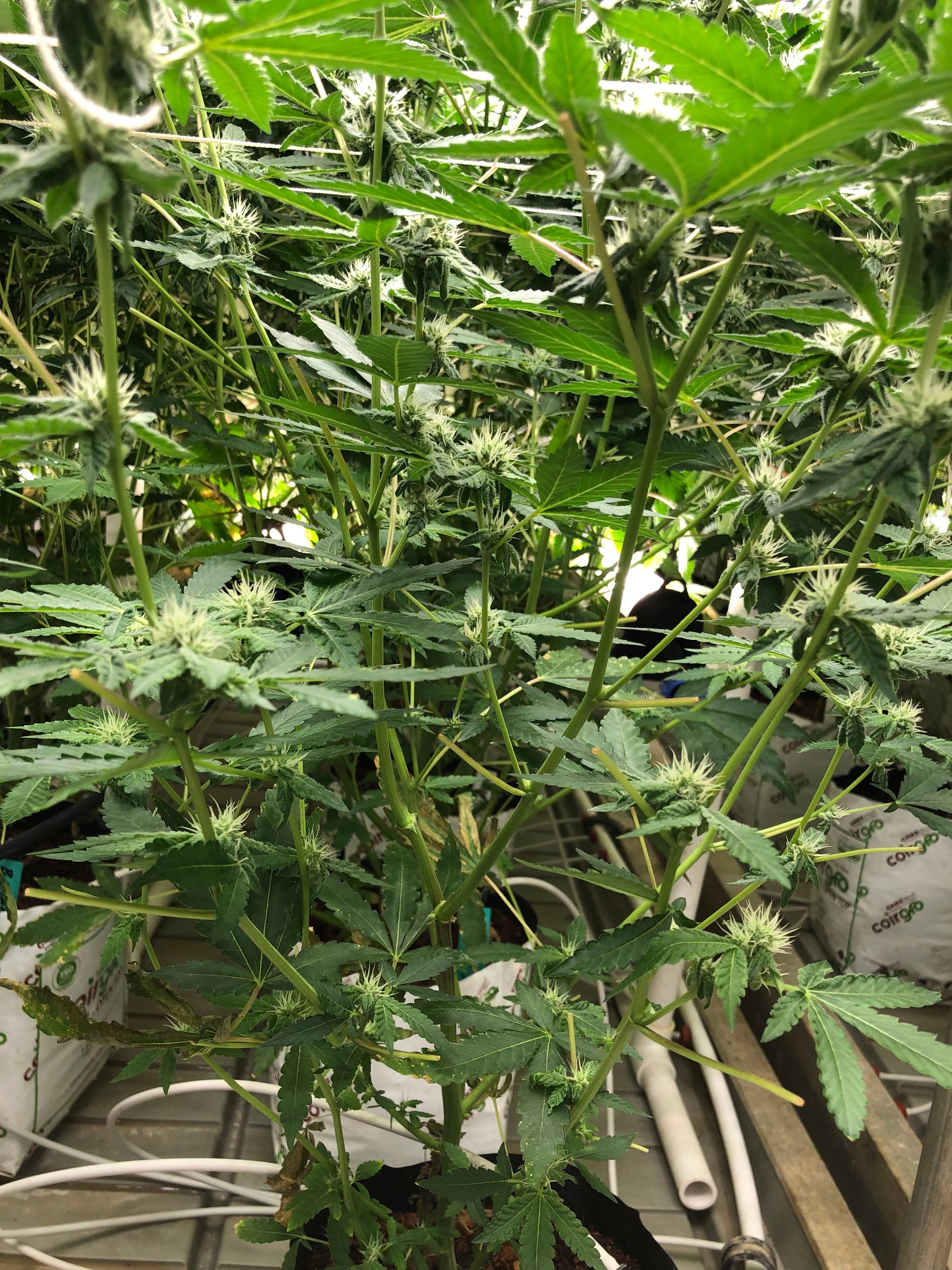

As under canopy grow lights become more common in indoor cultivation, one confusion keeps appearing: growers often mix up under canopy lighting and inter-canopy lighting. The terms sound similar, but they describe two very different lighting strategies.
If you are new to the topic, start with our foundational overview: What Are Under Canopy Grow Lights?. This article focuses on clarification—what each system does, where it is installed, and when you should choose one over the other.
Definition: Under Canopy Lighting
Under canopy grow lights are installed below the plant canopy and direct light upward into the lower portion of the plant. The goal is simple: activate the shaded lower leaves and bud sites that top lighting cannot consistently reach.
Key characteristics:
- Mounted below foliage or bench level
- Light direction is upward (uplighting)
- Targets lower bud development
- Supports yield uniformity
This approach works because dense upper foliage blocks downward photons. Uplighting restores usable light to areas that would otherwise contribute very little to final harvest quality. For a deeper explanation, see: Why Uplighting From Below Works.
Definition: Inter-Canopy Lighting
Inter-canopy lighting is placed inside the plant canopy rather than below it. Fixtures sit between rows or vertically along plant sides and shine sideways into foliage.
Key characteristics:
- Mounted mid-canopy
- Light direction is horizontal/sideways
- Targets leaf surfaces within dense plant walls
- Often used in vine crops or greenhouse rows
Instead of recovering shaded lower sites, inter-canopy lighting attempts to improve light penetration inside thick plant structures.
The Core Difference: Direction of Light
The easiest way to understand the difference is light direction.
- Under canopy: bottom → upward
- Inter-canopy: side → inward
This directional difference changes the biological response. Under canopy lighting primarily improves lower flower development, while inter-canopy lighting increases internal leaf activity within the middle of the plant structure.
What Problem Each System Solves
Under Canopy Lighting Solves:
- Weak lower buds
- High trim waste
- Uneven plant grading
- Bottom canopy inactivity
Inter-Canopy Lighting Solves:
- Dense plant walls
- Greenhouse vine shading
- Side leaf inefficiency
Indoor flowering rooms with overhead LEDs usually suffer from lower canopy shading. That is why under canopy lighting is commonly chosen for indoor production environments.
Installation Differences
Installation is another major distinction.
Under Canopy Installation
- Below canopy
- Attached to bench or rack frame
- Minimal interference with plant handling
Inter-Canopy Installation
- Inside foliage
- Mounted between rows
- Can interfere with pruning and access
If you run rolling benches or stacked racks, under canopy layouts are generally easier to maintain. See: Designing Under Canopy Lighting for Rolling Benches and Multi-Tier Racks.
Do You Ever Use Both?
Yes—but rarely in standard indoor flowering rooms. Some specialized facilities use inter-canopy lighting for vegetative plant walls while using under canopy lighting in flowering areas.
Most indoor cultivators benefit more from pairing strong overhead fixtures with under canopy lighting. For example, efficient top fixtures such as: Griffin Advanced Grow Light provide primary canopy PPFD while under canopy bars support shaded sites.
Energy and Efficiency Considerations
Because under canopy lighting improves usable yield rather than simply increasing total biomass, it can improve efficiency metrics like yield per kWh. Facilities considering upgrades often evaluate available incentives. A useful overview is available here: Grow Lights Rebate.
Which One Should You Choose?
Choose under canopy lighting if:
- You use overhead LED fixtures
- You see weak lower buds
- You run rolling benches or racks
- You want better uniformity
Choose inter-canopy lighting if:
- You grow vine crops or tall plant walls
- Your plants are arranged vertically
- Side leaf shading is the primary issue
Final Takeaway
Under canopy and inter-canopy lighting are not competing technologies—they solve different lighting geometry problems. Under canopy lighting restores productivity to the lower plant, while inter-canopy lighting boosts activity inside dense foliage.
For most indoor flowering facilities using top LED grow lights, under canopy lighting is the more relevant solution because the primary limitation is downward light blockage, not side penetration. Once you understand this distinction, lighting decisions become much clearer.