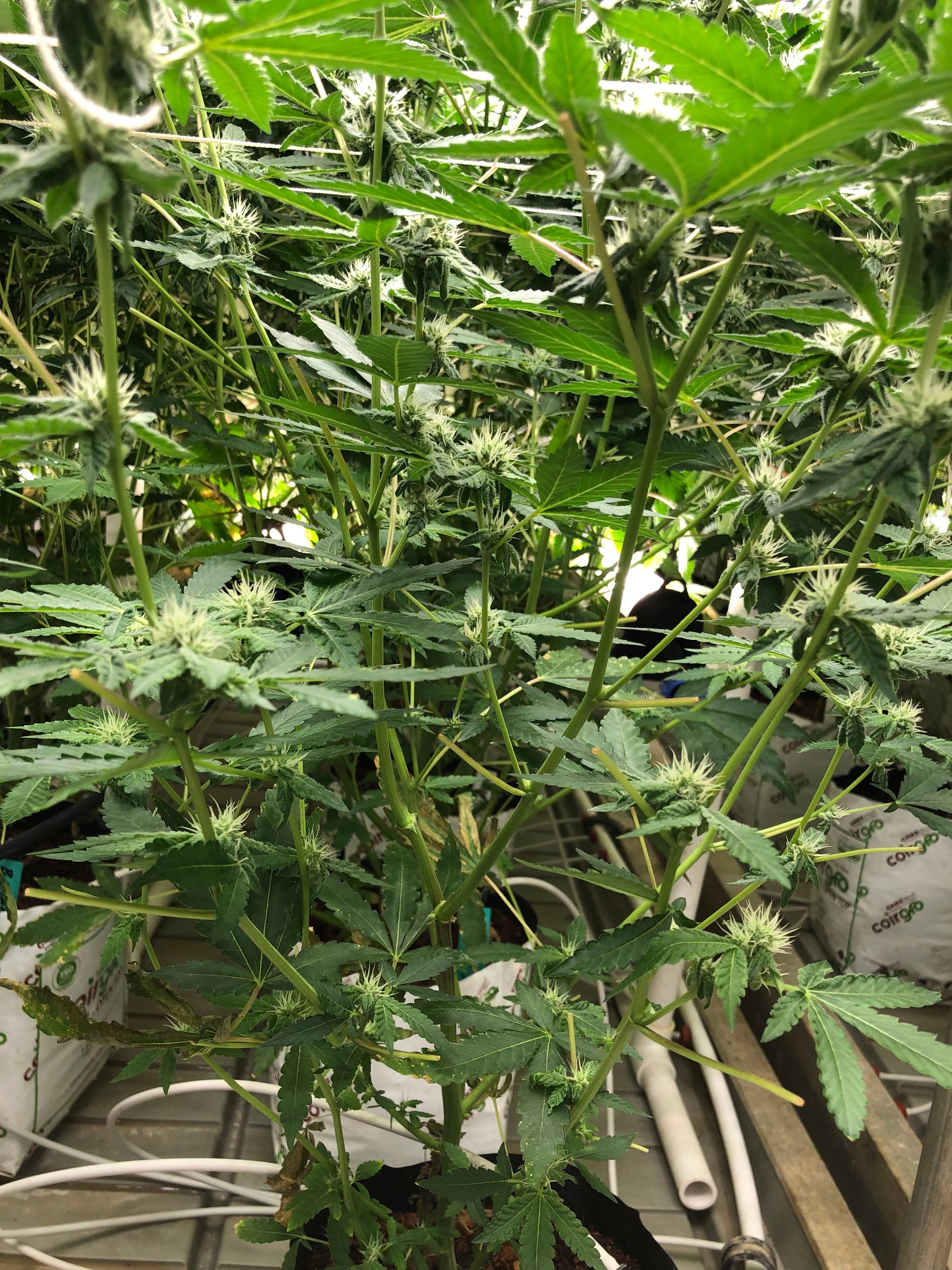

Rebates from power companies are rapidly expanding to support advanced horticulture technology, and one of the fastest-growing categories is under canopy grow lights. These low-profile secondary lighting systems increase canopy penetration, raise yield consistency, reduce shading losses, and dramatically improve PPFD uniformity from the top of the canopy to the lower nodes. Because they increase efficiency without major electrical demand, utilities now view under-canopy lighting as a high-value rebate category—especially for commercial cannabis and vertical farms.
As utility rebate programs evolve, power companies are prioritizing long-term energy savings, operational stability, and lighting systems that increase efficiency across every layer of the canopy. Under-canopy LEDs do exactly that. To take advantage of these incentives, growers must understand the rules, compliance expectations, and policies behind rebates from power companies. Doing so unlocks major financial benefits while helping growers transition into next-generation lighting strategies.
Why Under-Canopy Grow Lights Are a New Rebate Priority
Traditional top lighting often struggles to deliver balanced PPFD to lower canopy areas, causing uneven development and reduced final yield. Under-canopy LED systems solve this problem by delivering targeted lower-level PPFD at extremely low wattage. Utilities reward this because:
- They reduce wasted top-lighting energy.
- They increase photosynthetic efficiency across the whole plant.
- They lower HVAC load by replacing hot HID supplemental lighting.
- They support better yield per watt, which translates to measurable grid savings.
Because of these advantages, growers are increasingly pairing top LEDs with under-canopy LED systems for full-canopy energy optimization. This efficiency boost is precisely why power companies are adding these systems to rebate lists, especially through horticulture specialty programs and controlled environment agriculture incentives.
The Do’s for Under-Canopy Grow Light Rebate Compliance
Follow Your Submitted Lighting Plan
If your rebate application includes a specific under-canopy PPFD plan or dimming schedule, utilities expect you to maintain it. These lighting patterns directly contribute to the projected savings used to approve your rebate.
Optimize Fertigation and Environmental Settings
Under-canopy lights increase lower-node activity and can accelerate transpiration. Growers may need to fine-tune irrigation, VPD, and nutrient delivery as fuller canopy photosynthesis takes effect. Utilities don’t monitor these adjustments—only that your facility stays in consistent operation.
Maintain LEDs for the Required Lifespan
Power companies require under-canopy LEDs to stay installed for a defined number of years. Removing them early, storing them, or swapping models too soon violates rebate agreements.
Document Stable Plant Density
Utilities expect the lighting system to be used in active production. Whether you're running dense tables or spaced vertical racks, the key is ongoing cultivation under the rebated lighting setup.
Maintain Continuous Operations Post-Rebate
Pausing operations shortly after receiving incentives often triggers audits. Under-canopy lighting increases efficiency and consistency, making long-term operations easier and more predictable.
Bonus: Earn Extra Incentives for Dimming Integration
Many utilities offer layered incentives for dimming strategies and dynamic scheduling. Under-canopy grow lights paired with full-room LED dimming systems may qualify for multiple rebates. Learn which utilities support multi-layer incentives at GrowLightsRebate.com.
The Don’ts for Under-Canopy Lighting Rebate Programs
Don’t Attempt Dual Rebates
You cannot rebate the same under-canopy fixtures through multiple programs or during multiple program years. Utilities track serial numbers and invoice data.
Don’t Dispose of Old HID Lights Improperly
If your under-canopy LEDs replace HID supplemental lights, utilities require legal recycling of lamps and ballasts. Improper disposal may void your rebate.
Don’t Replace Rebated LEDs Early
Rebated under-canopy fixtures must remain active for the full compliance period. Early replacement violates program terms.
Don’t Resell Rebated Fixtures
All rebated fixtures—including secondary lighting—must remain installed at the original address. Reselling is prohibited and can result in incentive clawbacks.
Don’t Stop Operations After Applying
Utilities expect ongoing efficiency benefits. Halting operations damages program integrity and risks eligibility for future incentives.
7 Major Opportunities Under-Canopy LEDs Unlock Through Rebates
- Improved Lower-Canopy PPFD Efficiency: Utilities value increased light uniformity because it leads to predictable savings.
- Lower Operating Watts per Square Foot: Under-canopy LEDs consume extremely low wattage, helping maximize rebate value.
- Reduced Heat Output: Less heat means lower HVAC requirements, which utilities reward through higher baseline savings.
- Dimming Incentives: Many programs offer bonus rebates when under-canopy LEDs integrate with automated dimming schedules.
- Higher Yield per Watt: More efficient full-plant photosynthesis increases measurable production efficiency.
- Stackable Rebate Programs: Some utilities allow under-canopy LEDs to qualify alongside top-lighting incentives.
- Long-Term ROI Beyond Incentives: Under-canopy lighting produces year-after-year returns by increasing canopy productivity.
Final Thoughts
Under-canopy grow lights are becoming one of the most strategically valuable lighting upgrades in commercial cultivation—and thanks to utility rebates, they’re also more financially accessible than ever. By understanding program rules, maintaining compliance, and documenting your lighting strategy, you can unlock substantial incentives while boosting your crop performance from top to bottom.
For help navigating rebate applications, compliance rules, and eligible under-canopy lighting systems, visit GrowLightsRebate.com.