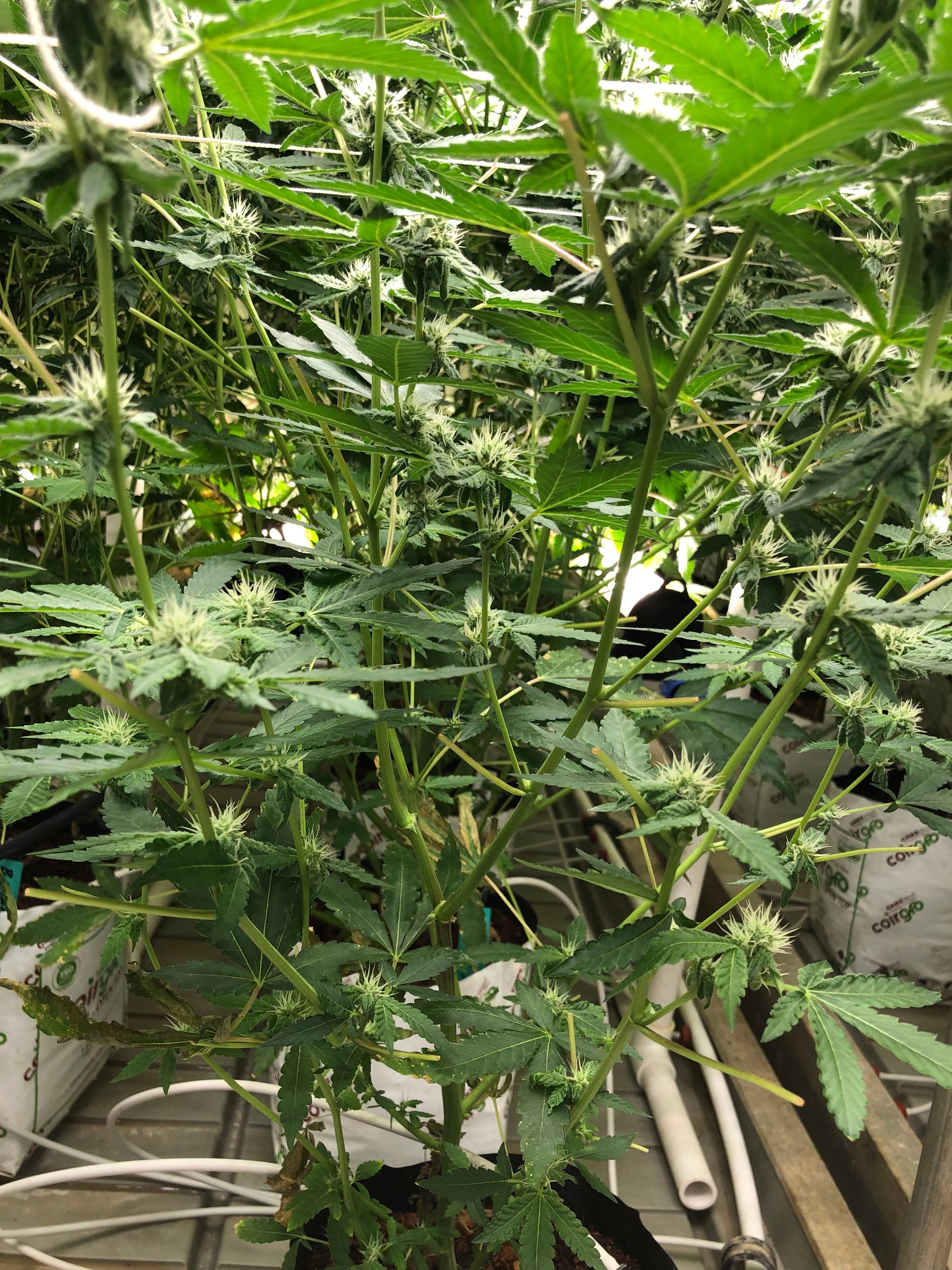

A clean drip hydroponic tray layout does more than hold plants. It controls how media blocks sit, how irrigation reaches the root zone, how runoff leaves the tray, and how lower-zone lighting fits into the growing structure. As a result, a well-planned tray layout makes the entire system easier to run, clean, inspect, and scale.
However, every important component wants space in the same area: media blocks, drip lines, emitters, runoff channels, light bars, cables, drain fittings, and bench framing. If growers add these parts without a layout plan, the system can quickly become crowded. Consequently, maintenance becomes harder, and the consistency of both irrigation and light delivery can suffer.
This guide focuses on tray design for indoor cultivation rooms using drip irrigation and lower-zone lighting. Instead of offering a one-size-fits-all blueprint, it gives a practical way to think about how the tray, media, irrigation, runoff, bench, and lighting should work together.
Why Drip Hydroponic Tray Layout Comes First
The grow tray forms the physical foundation of the layout. It supports the media blocks, collects runoff, defines the working height, and creates the base structure around which growers install irrigation and lighting.
Use the Tray as a Runoff Platform, Not a Reservoir
A common visual mistake is to treat the tray like a water tank. However, in most drip-style layouts, the tray does not act as the nutrient reservoir. Instead, it works as a shallow runoff tray or flood table that supports the crop and directs excess solution toward a drain or collection point.
The reservoir, pump, filter, and return path should stay separate from the tray. This approach keeps the growing surface cleaner. In addition, it makes runoff easier to inspect and gives workers better access when they need to clean debris or service the system.
Keep the Hydroponic Tray Open and Serviceable
A tray should not become a cluttered platform full of loose tubing, tangled cables, and hard-to-reach fittings. The more crowded the tray becomes, the harder workers must work to identify leaks, clogged emitters, standing runoff, or damaged cables.
Therefore, a clean tray layout should allow workers to quickly see:
- Where each media block sits
- Where each drip emitter enters the block
- Where runoff is moving
- Where the lower-zone light bar sits
- Where cables and tubing run
Design for Cleaning Before the First Crop
A layout that looks fine on installation day can become difficult after several cycles. Nutrient residue, leaf debris, and moisture can collect around hardware. Therefore, if workers cannot wipe, inspect, or drain the tray easily, performance can slowly decline. Maintenance access should guide the first design decision, not come as an afterthought.
Media Blocks in a Drip Hydroponic Tray Layout
Media blocks or slabs determine where plants live, where drip emitters must reach, and where lower-zone light needs to travel. For that reason, growers should plan block placement before they place irrigation tubing or light hardware.
Place Media Blocks Before Planning the Hardware
Start with the plant row. Once plant spacing and block position are clear, growers can arrange the rest of the system around that pattern. The drip mainline, micro-tubes, emitters, light bar, and drain path should support the plant layout, not fight it.
For example, a good media layout should leave enough room for:
- The plant stem and lower branches
- Drip stakes or emitters
- Air movement around the plant base
- Lower-zone light reaching upward
- Cleaning around and between blocks
Avoid Blocking the Plant Base
The plant base is one of the busiest areas in the tray. The stem, media block, irrigation emitter, lower branches, and lower-zone lighting all meet in this zone. Therefore, if hardware crowds this area, the system becomes harder to inspect and easier to mismanage.
Keep the base area clean. Do not let tubing pile up around stems. In addition, do not place brackets or cables where they block the upward light path.
Uniform Block Placement Helps Troubleshooting
When each block sits in a consistent position, workers can spot problems faster. If one plant underperforms, they can compare emitter placement, runoff behavior, and light exposure against nearby blocks. Meanwhile, a random layout makes troubleshooting slower and less reliable.
Drip Lines and Micro-Tubes in Hydroponic Tray Layout
A realistic drip layout usually includes a main supply line or manifold, smaller micro-tubes, and individual emitters or drip stakes that deliver nutrient solution into each media block.
Keep the Drip Mainline Organized
The mainline should run in a clean path along the row, often along the front or rear of the media blocks. It should remain easy to see, easy to service, and far enough away from the lower-zone light bar that it does not block light or interfere with mounting hardware.
If the mainline crosses the tray without a plan, it can create several problems:
- It may block access to the blocks
- It may interfere with light placement
- It may trap debris
- It may create uneven tubing lengths
Drip Emitters Should Feed the Media Block
The emitter or drip stake should deliver solution into the media block or slab. It should not drip into the open tray. When irrigation lands in the tray instead of the media, the root zone receives less consistent delivery. As a result, runoff becomes harder to interpret.
For a clean layout, each plant site should follow a clear path:
- Mainline or manifold
- Micro-tube
- Emitter or drip stake
- Media block
- Runoff to tray
- Drain or return path
Do Not Let Tubing Hide the Root Zone
If the tubing becomes too messy, workers cannot easily see whether the emitter remains in the block, whether the block receives solution, or whether runoff moves correctly. Therefore, a neat drip layout saves inspection time and helps keep each plant site consistent.
Lower-Zone Lighting in a Drip Hydroponic Tray Layout
Lower-zone lighting needs real mounting space. Growers should treat the light bar as equipment with housing, brackets, cables, and service access, not just as a glow in a diagram.
The Light Bar Should Sit Above the Tray
The light bar should sit above the tray and near the lower plant zone, with the LED surface facing upward. It should not hide underneath the tray, because that position prevents light from reaching lower branches and flower sites.
The practical goal is simple: the fixture should send light upward into the lower canopy while still leaving room for media blocks, drip emitters, and cleaning access. Therefore, growers should plan lighting placement alongside the tray layout instead of adding it after the irrigation layout becomes crowded.
Use a Continuous Bar for Cleaner Distribution
A continuous bar can create a smoother lower-zone light field than scattered short fixtures. This does not mean every setup needs the same fixture length. However, the layout should avoid harsh gaps, isolated hotspots, and hardware conflicts.
For product examples and layout reference, review the under canopy lighting collection.
The Fixture Base Matters
A real light bar is not just a thin glowing line. It has a housing, base, lens area, end caps, mounting brackets, and cable exit points. If the layout ignores these parts, the installation may look clean on paper but become crowded in real life.
Runoff and Return Lines in Hydroponic Tray Design
Runoff management matters as much as nutrient delivery. A tray that receives irrigation must also move runoff away cleanly. Otherwise, standing solution can collect in the wrong areas and make the system harder to manage.
Clean Drainage for Hydroponic Tray Design
The drain outlet should remain visible and reachable. If debris clogs it or hardware hides it, runoff can collect in the tray. Consequently, workers may spend more time cleaning and troubleshooting the system.
Return Lines Should Not Compete With Light Bars
Drain and return lines should sit below or outside the main growing surface whenever possible. They should not cross directly through the lower light path or wrap around the fixture in a way that makes service difficult.
Clean Plumbing Makes the Whole System Easier
A simple return path gives workers a cleaner system to inspect. This matters especially in rooms with repeated bench layouts. If every bench follows the same drain pattern, crews can inspect and maintain the room faster.
Rolling Bench Tray Layout Rules
When a tray sits on a rolling bench, the layout also needs to account for movement. A fixed tray can hide sloppy routing. A moving bench cannot.
Avoid Pinch Points in Rolling Bench Tray Layouts
Any cable, tube, or drain line that crosses a moving point can become a failure point. Bench movement can pull tubing, pinch cables, or stress fittings if the layout does not control the routing carefully.
Therefore, a rolling bench layout should include:
- Clean cable paths
- Controlled tubing runs
- Service loops where movement requires slack
- Fittings placed away from pinch zones
- Repeatable drain and return routing
Repeatability Matters in Commercial Tray Layouts
One perfect bench is not enough. Commercial rooms need repeatable patterns. If every bench uses different tubing, different light placement, and different drain routing, maintenance becomes slower and mistakes become more likely.
For commercial bench and rack systems, see: Grow Rolling Bench.
Space Efficiency Still Needs System Support
Rolling benches can increase productive surface area. However, more plant area also increases the need for clean irrigation, better airflow, and better lower-zone light distribution. Density without system support creates uneven results.
Nutrition Flow in a Drip Hydroponic Tray Layout
Lighting and fertigation should not become separate decisions. If better light makes the lower plant zone more active, the root zone needs reliable nutrient and water delivery.
Reservoir, Pump, and Filter Placement for Tray Irrigation
The reservoir should sit below or beside the tray system, not inside the grow tray itself. The pump should feed the supply line, and a filter should protect emitters from clogging. Meanwhile, the return or drain line should move runoff away from the tray cleanly.
The diagram does not need to show every fitting. However, it should make the flow clear: reservoir, pump, filter, supply line, emitters, media blocks, tray, drain, return.
Why Filtering Matters in Drip Tray Irrigation
A clogged emitter can make one plant underperform even when the lighting works correctly. When several emitters clog, the room may appear inconsistent for reasons that have nothing to do with light.
This is why fertigation support belongs in the layout discussion. For a broader indoor cultivation system approach, including nutrients, fertigation, and environmental control, see: Grow Pros Solutions Eco System.
Lighting Cannot Fix Uneven Feeding
If plants do not receive consistent water and nutrient delivery, lower-zone lighting will not produce consistent results. Therefore, the tray layout has to support both even light exposure and even fertigation.
Common Drip Hydroponic Tray Layout Mistakes
Many tray layout problems come from adding equipment one piece at a time. The system may technically function, but it becomes harder to maintain and less consistent over time.
Mistake 1: Putting the Light Bar Too Low
If the bar sits under the tray or too far below the plant base, it cannot reach the target zone effectively. The light should face upward from the lower plant area, not disappear underneath the structure.
Mistake 2: Letting Drip Lines Block the Light
Drip tubing should not hang in front of the fixture or create shadows across the lower zone. Instead, keep irrigation paths organized and close to the media blocks.
Mistake 3: Making the Tray Hard to Clean
If workers cannot quickly wipe the tray, inspect runoff, or remove debris, the system will become harder to manage over repeated cycles. As a result, small maintenance problems can slowly reduce system consistency.
Mistake 4: Forgetting About Fixture Housing
A fixture needs a body, not just a glowing face. Therefore, make sure the housing, brackets, and end caps have enough space.
Drip Hydroponic Tray Layout Installation Checklist
Before repeating a tray layout across a room, check the basic system logic. This simple review helps catch layout problems before they spread across multiple benches.
Tray and Media Block Layout
- Media blocks are evenly spaced
- Tray surface is clean and accessible
- Runoff has a clear path to drain
- Blocks are not crowded by cables or brackets
Drip Irrigation Layout
- Mainline is organized
- Micro-tubes reach each block cleanly
- Emitters feed media, not the open tray
- Filter is included before emitter delivery
Lower-Zone Lighting Layout
- Bar sits above the tray
- LED surface faces upward
- Housing and mounting base are visible and serviceable
- Cables do not interfere with drip tubing
Energy Planning for Hydroponic Tray Layouts
A clean layout can also support better energy and operational planning. When lighting, irrigation, and bench systems stay organized, growers can document equipment, estimate loads, and evaluate upgrade opportunities more easily.
For rebate and efficiency planning, visit: Grow Lights Rebate.
Final Takeaway
A drip hydroponic tray layout is not just a container arrangement. It acts as the physical foundation for irrigation, runoff, lower-zone lighting, cleaning access, and system repeatability.
A strong layout places media blocks first, feeds each block with organized drip emitters, keeps the tray open for runoff and cleaning, mounts the light bar above the tray with the LED surface facing upward, and routes plumbing and cables so workers can inspect and maintain the system. Ultimately, when these details work together, the room becomes easier to operate and easier to scale.