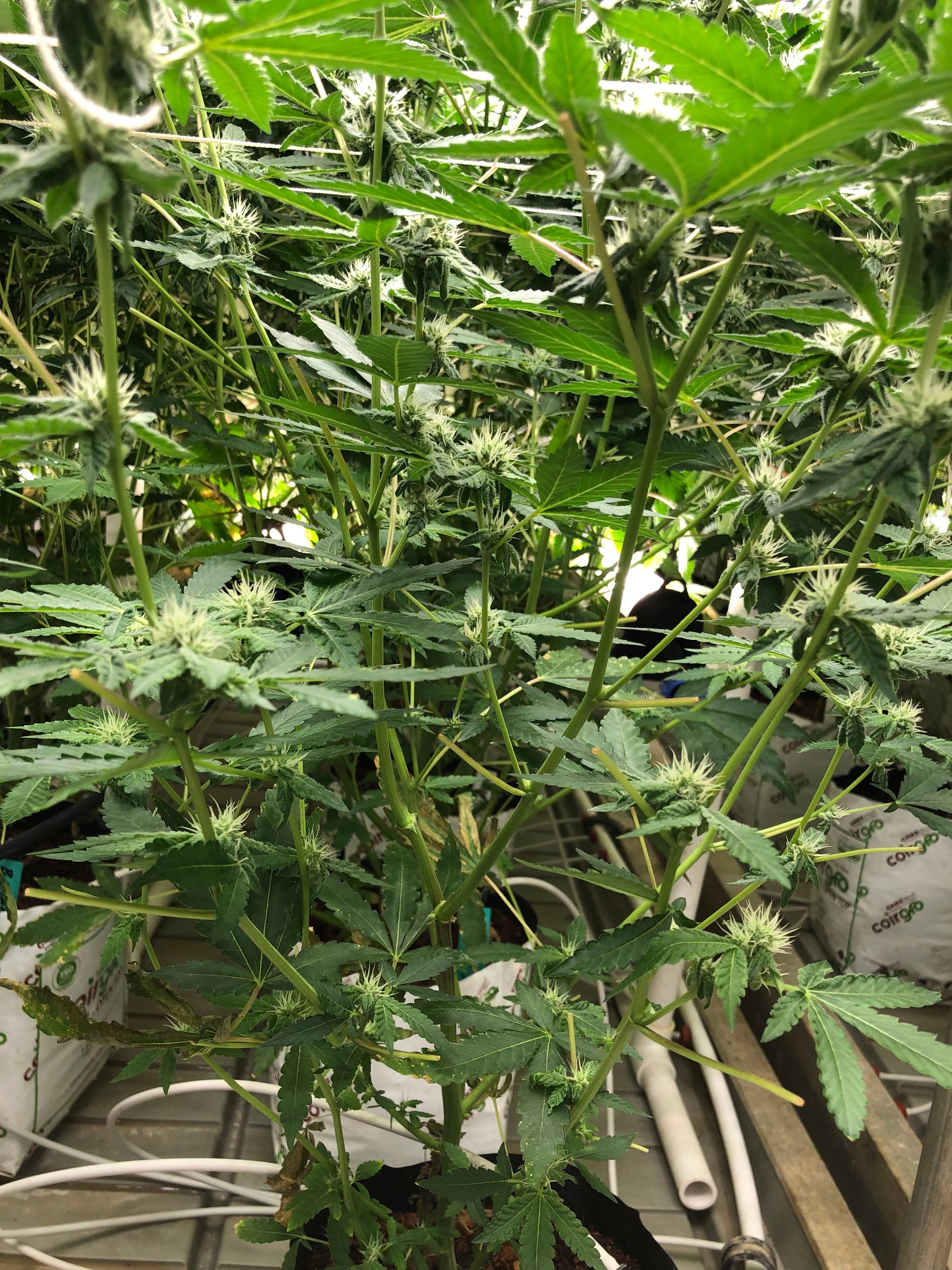

Adjustable wattage grow lights give commercial indoor growers more control over power use, heat load, electrical compliance, and long-term lighting performance. By combining precision power management, high PPE efficiency, and stable spectrum output, these LED fixtures help cultivation facilities balance code requirements, crop performance, and future scalability. Whether you manage a large greenhouse or a compact indoor cultivation facility, wattage-adjustable LED fixtures make it easier to tune light output without replacing the entire lighting system. For professional-grade lighting solutions, explore Grow Pros Solutions.
Adjustable Wattage Grow Lights for Compliance and Electrical Safety
Why Electrical Ratings Matter
Every building has an electrical infrastructure designed around a specific maximum load. Because of that limit, electricians, engineers, and inspectors need lighting equipment that stays within the approved design capacity. If grow lights draw more power than the system can safely support, the project can fail inspection, require costly redesigns, or trigger avoidable change orders.
Adjustable Wattage Grow Lights for Certified Ratings
Manufacturers often certify fixtures at a fixed wattage, such as 660W, so engineers can design circuits with known amp draws. In practice, project teams can plan electrical loads more accurately. At the same time, growers keep the flexibility to increase light intensity later if the facility adds service upgrades, new circuits, or improved infrastructure.
Avoiding Project Delays
A defined wattage rating simplifies plan review and final inspection. As a result, installers can complete wiring with more confidence, and facility owners can avoid rework caused by excessive amperage loads or miscalculated circuit designs. From a project standpoint, that reliability can protect both the construction timeline and the operating budget.
PPE Efficiency in Adjustable Wattage Grow Lights
Understanding PPE in Adjustable LED Grow Lights
Photosynthetic Photon Efficacy (PPE) measures how efficiently a grow light converts electrical power into photosynthetically active photons for plants. When adjustable wattage grow lights operate below their maximum setting, the diodes usually run cooler and more efficiently. In practical terms, the fixture can produce more usable light per watt consumed while supporting better plant performance and lower energy costs.
Diode Density in Adjustable Wattage LED Fixtures
Many wattage-adjustable LED fixtures use boards with more diodes than the fixture needs for low-power operation. Since each diode carries less current, it produces less heat and experiences less stress. Over time, this design strategy can support better long-term performance.
- Reduces junction temperature
- Extends diode lifespan
- Keeps PPFD levels more stable over years of operation
Lower Heat Load and Lower Operating Costs
Reduced heat generation directly eases HVAC demand. In a 100-light facility, even a modest wattage reduction can affect total cooling load. Likewise, lower fixture heat helps the room maintain more stable environmental conditions.
- Reduce cooling tonnage requirements
- Lower ongoing energy consumption
- Improve room stability and environmental control
Thermal Management for Adjustable LED Grow Lights
The Science Behind Heat and LED Decay
LED degradation accelerates as temperature rises. As diode junction temperature increases, lumen maintenance and spectral stability decline faster over time. However, adjustable wattage grow lights reduce this risk by running diodes under-driven rather than pushing them to their maximum rating.
- Cooler operation maintains spectral integrity
- Lower thermal stress slows lumen depreciation
- Stable temperatures protect long-term fixture performance and ROI
Passive Cooling Advantage
Modern high-end grow lights often use extruded aluminum housings designed for natural convection. When growers combine this passive cooling design with reduced wattage operation, the fixture can manage heat without depending on mechanical fans. In turn, the system becomes quieter, simpler, and less prone to mechanical failure.
- Eliminates fan-related failure points
- Reduces noise in cultivation rooms
- Maintains more consistent diode temperature and output
Scalable Adjustable Wattage Lighting for Grow Facilities
Designing Grow Facilities With Adjustable Wattage Fixtures
Grow operations often evolve over time. For example, a facility may add tiers, expand rooms, upgrade electrical service, or increase production density. Adjustable wattage fixtures allow growers to start at conservative power levels during early phases and increase output later as infrastructure improves.
Because of this flexibility, the initial fixture investment becomes part of a long-term growth strategy rather than a temporary solution. Instead of replacing lights during future upgrades, growers can adjust output as the facility matures. That makes the lighting platform more useful across multiple phases of expansion.
Capital Efficiency
Rather than buying new lights to increase intensity, cultivators can adjust wattage settings on existing fixtures. For that reason, adjustable wattage grow lights can reduce capital pressure while keeping the facility’s lighting platform consistent.
- Reduces capital expenditure
- Avoids supply-chain delays
- Keeps fixture SKUs consistent across rooms or facilities
Multi-Phase Facility Rollouts
A single adjustable-wattage model can serve multiple phases or rooms. For instance, growers may operate fixtures at lower wattage in veg spaces and higher wattage in flower rooms. Meanwhile, maintenance teams benefit from fewer fixture types, simpler spare parts planning, and a more unified lighting strategy.
Optimized Spectrum in Adjustable Wattage Grow Lights
High Blues and High Reds
Modern adjustable wattage LED fixtures often use spectra rich in blue and red wavelengths. Blue light can support compact vegetative structure, while red and far-red wavelengths can support flowering behavior, biomass development, and photomorphogenic response.
- Blue wavelengths: commonly used to support strong, compact vegetative growth
- Red and far-red wavelengths: commonly used to support flowering, biomass, and plant response
Spectrum Stability Over Time
Cooler, under-driven diode operation helps stabilize wavelength output. Thus, PAR readings can stay more consistent over years of operation. This matters because crop consistency depends not only on initial light output, but also on how well fixtures maintain performance across many cycles.
Extending Productive Lifespan
By minimizing spectral drift and diode degradation, adjustable wattage grow lights can support more consistent crop quality and yield over time. In other words, growers should evaluate long-term stability, not just first-day output, when comparing commercial LED fixtures.
Adjustable Wattage Lighting Strategies by Growth Stage
Adjustable Light Intensity for Each Growth Phase
Adjustable wattage makes it easier to fine-tune lighting for each plant stage. Instead of running one fixed output across every phase, growers can match intensity to crop demand. This helps the lighting system support plant needs without wasting energy.
- Seedlings: gentle, low-intensity PPFD
- Veg: moderate intensity for rapid structural development
- Flower: higher intensity for stronger production goals
Fine-Tuning DLI and PPFD
Growers can adjust fixture wattage to reach target DLI and PPFD ranges more precisely. Similarly, adjustable wattage can help facilities respond to cultivar differences, seasonal environmental changes, or room-specific performance goals.
Integrating Canopy Layers
Overhead adjustable fixtures can work alongside under-canopy lighting strategies. For example, top lighting can drive the main canopy while lower-zone fixtures help reduce shadow zones and support more complete light distribution. For lower-canopy lighting concepts, review UnderCanopyGrowLighting.
Economic, Environmental, and Rebate Benefits
Lower Energy Bills and HVAC Savings
Operating fixtures at optimal wattage reduces energy consumption and cooling load. From a facility economics perspective, that can lower both lighting power use and HVAC demand. In many rooms, the savings come from both the fixture and the cooling system.
Utility Rebates and Faster ROI
Many adjustable wattage fixtures may qualify for custom or prescriptive rebate programs, depending on the utility and project structure. Before finalizing a large lighting purchase, growers should review incentive opportunities and project documentation requirements. For rebate planning, work with Grow Lights Rebate Solutions.
Sustainable, Eco-Friendly Operations
Lower power draw can also support sustainability goals. Beyond that, efficient lighting helps growers reduce carbon impact while improving output per watt. For commercial facilities, this combination can support both operating efficiency and long-term brand positioning.
Smart Controls for Adjustable Wattage Grow Lights
Automated Power Control for Adjustable Grow Lights
Modern systems can integrate with 0–10V, RJ12, or wireless protocols to automate wattage changes based on growth stage, environmental triggers, or lighting schedules. With that control, growers can manage intensity more precisely without manually changing every fixture.
Load Balancing and Peak Shaving
Adjustable output can help growers reduce wattage during high-cost utility periods. This gives facilities a practical way to reduce peak demand charges and gain more financial control over daily operations.
Unified System Design
Lighting should work with the rest of the cultivation ecosystem. When building management, HVAC, irrigation, and lighting controls communicate clearly, the facility can respond more intelligently to plant needs and energy limits. For broader system planning, visit Grow Pros Solutions Eco System.
Conclusion: Adjustable Wattage Grow Lights for Scalable Facilities
Adjustable wattage grow lights from Grow Pros Solutions support compliance, efficiency, long-term diode stability, and facility scalability. Put simply, they represent more than a lighting product. They act as an infrastructure upgrade for commercial cultivation operations that need stronger performance and lower operating costs.
Ultimately, growers who plan for adjustable output gain more flexibility as their facility evolves. Explore advanced LED grow light technologies at WeGrowPros.com and discover rebate programs at GrowLightsRebate.com.