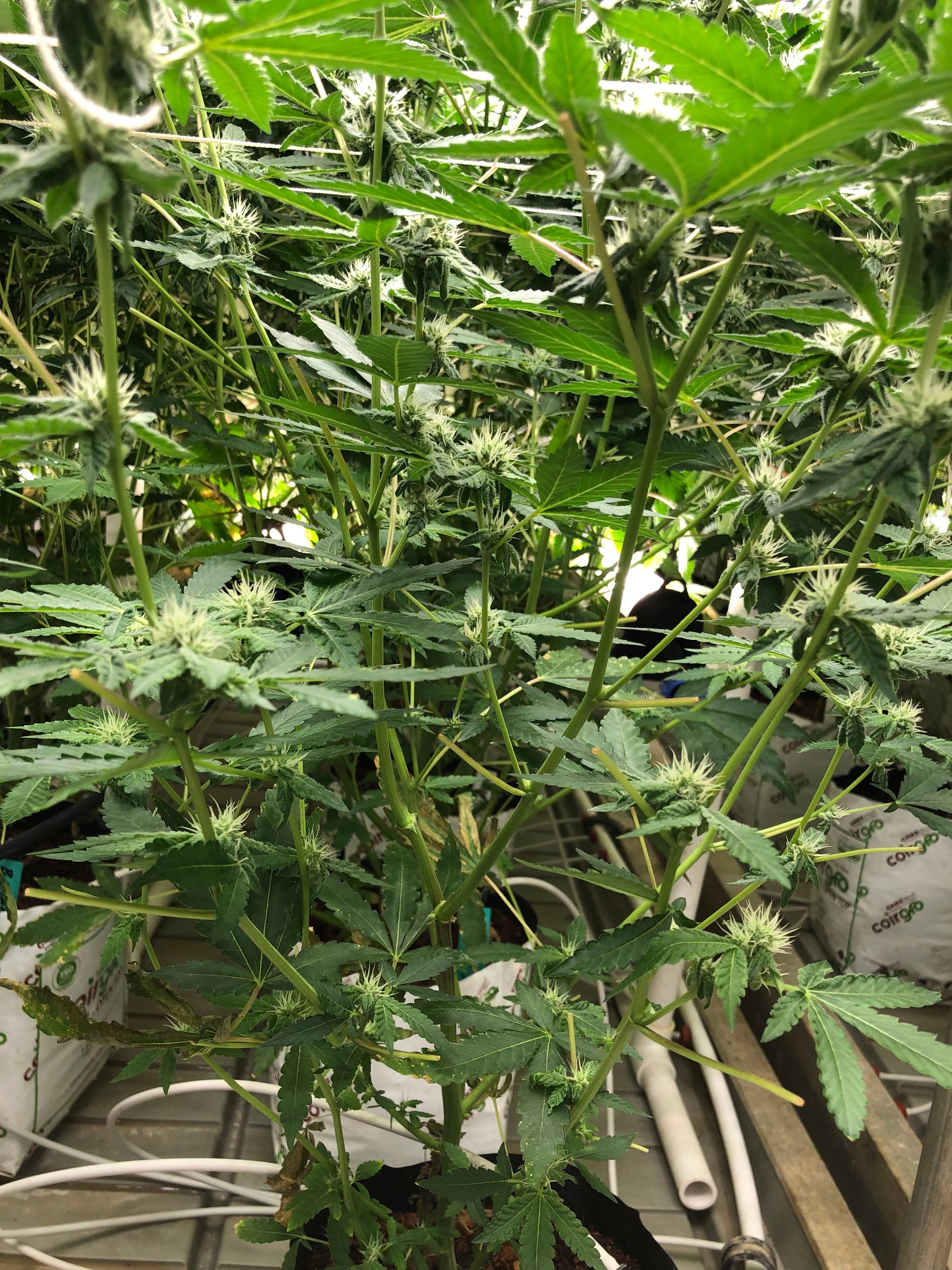

Under canopy lighting rebates are becoming more common as power companies support efficient LED upgrades for commercial grow rooms. These rebate programs can help growers lower fixture costs, improve lower-canopy PPFD, and use light more wisely across the full plant. As a result, under canopy grow lights are becoming a stronger fit for utility rebate plans.
Power companies want long-term energy savings, stable operations, and lighting systems that use power well. Under canopy LEDs can support those goals because they target shaded lower zones without adding a large electrical load. Therefore, growers who understand rebate rules can reduce upfront costs while improving the way their rooms use light.
This guide explains the main do’s and don’ts for under canopy lighting rebates, including fixture rules, rebate paperwork, dimming controls, and long-term use requirements. For help with rebate planning, growers can also work with a rebate support team.
Why Under Canopy Lighting Rebates Are Growing
Traditional top lighting often struggles to reach the lower canopy. As plants become dense, upper leaves block light before it reaches lower nodes. Because of that, lower buds may finish weaker than the top of the plant.
Under canopy grow lights solve this problem by sending useful light into shaded lower areas. Also, they do this with lower wattage than many older light types. For utilities, that makes the upgrade easier to support through grow light rebates.
In simple terms, under canopy lighting rebates are growing because the lights can improve full-canopy light use while keeping energy demand under control.
Why Power Companies Support Under Canopy Grow Lights
Power companies support energy upgrades when they can show real savings. Under canopy LEDs may help because they improve light placement instead of only adding more overhead power.
These systems can help growers:
- Reduce wasted top-light energy
- Improve light use across the full plant
- Lower heat compared with older lighting systems
- Support better yield per watt
- Use dimming plans more effectively
As a result, utilities may view under canopy LEDs as a useful tool in controlled-environment agriculture. In addition, growers may gain both lower project costs and better crop value.
Do’s for Under Canopy Lighting Rebate Compliance
Under canopy lighting rebates usually come with rules. Growers need to follow those rules after approval, not only during the application. Otherwise, they may risk delays, audits, or future rebate problems.
Follow the Submitted Lighting Plan
If your rebate file includes a fixture layout, PPFD plan, or dimming schedule, follow it closely. Utilities use that plan to estimate savings. Therefore, large changes after approval can create problems.
Before you move fixtures, change wattage, or adjust the system heavily, check whether the program requires an update. This simple step can protect the rebate.
Keep Rebated LEDs Installed for the Required Term
Many power company rebates require the lights to stay installed for a set number of years. The goal is simple: the utility wants the energy savings to continue after it pays the incentive.
Because of that, do not remove, store, or swap rebated under canopy fixtures too early. Also, keep records that show the lights remain active in the approved grow area.
Document Active Production and Plant Density
Utilities expect rebated lights to support real production. Whether you run dense tables, rolling benches, or vertical racks, the system should remain part of an active grow plan.
For that reason, keep photos, room notes, and basic layout records. These records can help if the utility asks for proof later.
Use Dimming Controls When They Improve Eligibility
Some grow light rebates offer added value when fixtures connect to dimming controls or smart schedules. Under canopy grow lights can fit well into this type of plan because they often work as a support layer below the main lights.
In addition, dimming can help growers match light output to crop stage. That can reduce waste while keeping the lower canopy active.
Grow Light Rebates and Utility Rules to Watch
Grow light rebates can vary by utility, state, crop type, and project size. Still, many programs ask for the same core items: product data, proof of purchase, fixture count, wattage totals, and installation photos.
Before applying, growers should confirm:
- Which fixtures qualify
- Whether the program accepts under canopy LEDs
- What proof the utility needs
- How long the lights must stay installed
- Whether dimming controls add value
- Which old fixtures must be removed or recycled
Also, do not assume that a fixture qualifies just because it uses less power. Some programs require product listings, test data, or specific efficiency levels.
Don’ts for Utility Grow Light Rebate Programs
Rebate mistakes can cost growers time and money. However, most of these mistakes are easy to avoid with clear records and a careful plan.
Do Not Claim Dual Rebates on the Same Fixtures
Growers should not submit the same under canopy fixtures to more than one rebate program. Utilities often track serial numbers, invoices, and project data. Therefore, dual claims can trigger a review or rejection.
If more than one program seems available, ask which path gives the best value before applying.
Do Not Replace Rebated Fixtures Early
Rebated fixtures usually need to stay in place for the full term. Early replacement can violate program rules, even if the new fixture looks better.
Instead, keep the approved lights active unless the utility gives written approval for a change.
Do Not Resell Rebated Fixtures
Do not remove rebated under canopy fixtures and sell them to another grower. Utility programs usually require the lights to remain at the approved site.
Also, keep invoices and install photos in case the utility asks for proof. Good records make audits easier.
Do Not Stop Operations Right After Applying
Power company rebates depend on ongoing savings. If a grow stops operating shortly after receiving an incentive, the utility may question the project.
Therefore, growers should apply when they have a real plan to keep the room active. Stable use helps protect both the rebate and future eligibility.
Opportunities Under Canopy LED Rebates Can Unlock
Under canopy lighting rebates can do more than reduce fixture cost. When growers use the lights correctly, they can also improve room performance and long-term return.
Key opportunities include:
- Better lower-canopy PPFD: under canopy LEDs help reduce dark zones below dense foliage.
- Lower watts per square foot: efficient LEDs can support more usable light with less waste.
- Less heat load: lower heat may reduce pressure on HVAC systems.
- Dimming incentives: some programs reward smart controls and staged schedules.
- Higher yield per watt: better full-plant light use can improve production value.
- Stronger rebate files: clear maps and photos can make approval easier.
- Long-term ROI: the lights can keep creating value after the rebate pays out.
Because of these benefits, under canopy LED rebates can fit both new builds and retrofit projects.
How to Prepare for Under Canopy Lighting Rebates
Preparation makes the rebate process smoother. First, check whether your utility supports horticulture lighting incentives. Next, confirm that your under canopy fixtures meet the program rules. Then, collect the documents before the install starts.
A strong rebate file may include:
- Fixture spec sheets
- Invoices and purchase records
- Room layout drawings
- Fixture count and wattage totals
- Before-and-after photos
- PPFD maps when required
- Dimming schedule details
- Proof of old fixture removal when needed
In addition, growers should avoid changing the layout after submission unless the utility approves the update. This helps keep the project clean from application to payment.
Final Takeaway on Under Canopy Lighting Rebates
Under canopy lighting rebates can make advanced LED upgrades more affordable for commercial growers. They also help growers shift toward better full-canopy light use, lower wasted energy, and stronger crop planning.
However, the rebate is only part of the value. Growers still need to follow utility rules, keep clear records, maintain the approved fixtures, and use the lights in active production. When they do that, the project can deliver savings long after the rebate check arrives.
For help with rebate applications, fixture planning, and eligible under canopy lighting systems, visit the grow light rebate resource. For product context, growers can also review this lighting product resource.