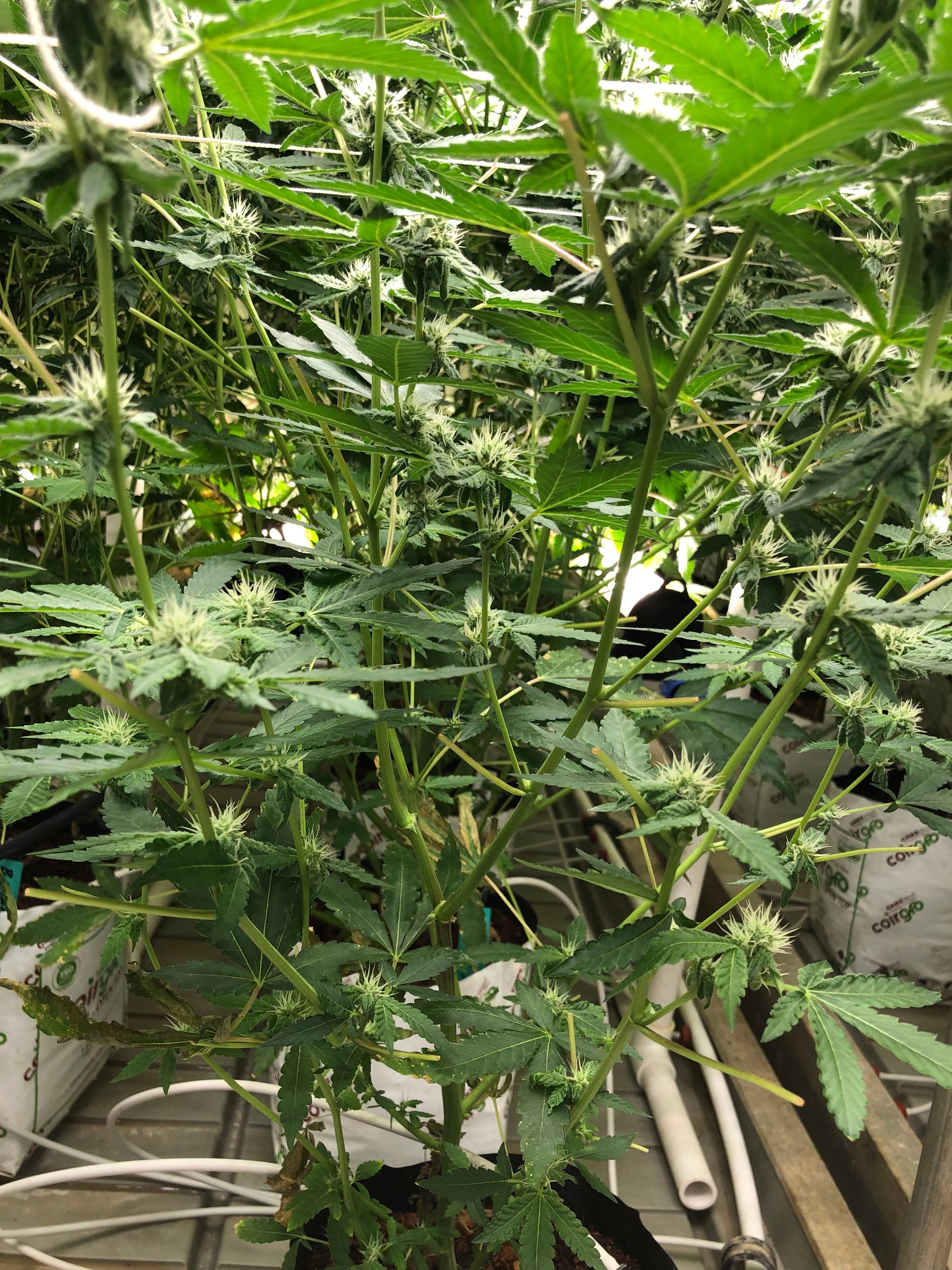

Under canopy LED grow lights help home growers send useful light into shaded lower foliage that overhead fixtures often miss. With far-red and UVA wavelengths, these lower-zone fixtures can support better light spread, stronger plant quality, and better yield potential in compact indoor gardens.
Indoor growing is becoming more popular among home growers. However, many small grow tents still depend almost entirely on overhead LED grow lights. That setup can leave the lower plant zone weak, especially when the upper canopy becomes dense.
For that reason, this guide explains how under canopy lighting works, why far-red and UVA matter, and how to compare LED grow light brands before buying. If you are new to the topic, start with What Are Under Canopy Grow Lights? for the basic concept.
Under Canopy LED Grow Lights: Purpose and Design

Under canopy LED grow lights are slim fixtures placed below the main plant canopy. Instead of shining down from above, they send light upward into shaded leaves, lower branches, and lower bud sites.
Most home growers use bar-style fixtures because they fit well under benches, along tent edges, or below dense plant growth. In addition, many models use full-spectrum LEDs with far-red and UVA channels to support more complete lower canopy growth.
In a small tent, the goal is not to turn the lower light into a second top light. Instead, the goal is to add gentle, useful light where the top fixture cannot reach well. For a deeper explanation of this direction-based approach, read Why Uplighting From Below Works.
How Under Canopy Lighting Helps Lower Foliage
Dense upper leaves can block much of the light from overhead fixtures. As a result, lower foliage may receive too little usable light. Over time, that can lead to weak lower growth, airy flowers, and uneven plant quality.
Under canopy lighting helps reduce that problem by adding light from below. This can make the lower plant zone more active and more useful through the grow cycle.
For home growers, this matters because space is limited. If more of the plant receives usable light, the grower may get better results without adding a larger tent or more overhead wattage.
Far-Red Grow Lights and Lower Canopy Response
Far-red grow lights use wavelengths near the edge of visible red light. These wavelengths can affect how plants respond to shade and how they manage growth. Because of that, far-red can be useful when it is used carefully.
In the lower canopy, far-red light may help shaded plant sites stay more active. Also, when far-red works together with red light, it can support stronger light use in some growing plans.
However, far-red should not be overused. Too much far-red can make plants stretch more than needed. Therefore, growers should treat far-red as a tool, not as a magic fix. For a focused article on this topic, see Under Canopy Lights: Enhancing Yield With Far-Red Spectrum.
Far-Red in Under Canopy LED Grow Lights
When far-red is built into under canopy LED grow lights, it can support lower nodes and shaded growth areas. This is useful in compact tents where the bottom of the plant often falls behind the top.
Still, balance matters. A good spectrum should support the plant without pushing weak stretch. For that reason, many growers prefer fixtures that combine far-red with white, red, and other useful wavelengths.
UVA Grow Lights and Plant Quality
UVA grow lights use wavelengths below visible violet light. In small amounts, UVA can support plant color, surface quality, and natural defense response. It may also help some crops develop stronger aroma, flavor, or visual appeal.
However, UVA should be used with care. Too much exposure can stress plants, especially in small tents where light distance is short. Because of that, growers should look for a balanced fixture rather than a harsh UV-heavy light.
UVA in Under Canopy Lighting Systems
UVA in under canopy lighting can reach shaded lower foliage that may not receive much light from overhead fixtures. In addition, it can work with far-red and white light to support a more complete lower-zone response.
For hobby growers, the main goal is simple: improve the lower plant area without creating stress. Therefore, moderate UVA is usually more useful than extreme output.
Benefits of Under Canopy LED Grow Lights for Home Growers

Under canopy LED grow lights can help home growers use more of the plant, not just the top section. In many small rooms, the top canopy looks strong while the lower canopy stays weak. Lower-zone light can help close that gap.
Common benefits include:
- Better light spread inside dense plants
- Stronger lower foliage response
- More even plant growth from top to bottom
- Less wasted lower material
- Better use of small grow tent space
- Lower heat than many older light types
Also, LED fixtures can be efficient when used correctly. Instead of adding large overhead lights, growers can add a focused lower layer that targets a specific weak zone.
Compact Grow Tents and Lower Canopy Lighting
Lower canopy lighting is especially useful in compact tents because every inch matters. A 4x4 grow tent, for example, can become crowded once plants branch out and fill the space.
When that happens, the lower plant zone may receive less light. Under canopy LED grow lights can help by filling that shaded area without taking up much room. To compare practical fixture options, visit the under canopy grow light collection.
How to Compare LED Grow Light Brands
Brand quality matters because not every fixture has the same spectrum, build, or light spread. A low-cost product may look bright at first, but it may not give stable output over time.
Before choosing a brand, compare these points:
- Spectrum: look for balanced white, red, far-red, and UVA when needed.
- Efficiency: choose fixtures that give strong output without wasting power.
- Build quality: look for solid heat control, safe drivers, and durable parts.
- Moisture protection: humid grow spaces need better protection around electronics.
- Warranty: a clear warranty shows the brand stands behind the product.
- Fit: choose a size that matches your tent, bench, or plant layout.
In addition, make sure the light is easy to mount, clean, and move if your layout changes.
LED Grow Light Brand Selection Criteria
| Factor | What to Check | Why It Matters for Home Growers |
|---|---|---|
| Spectrum Quality | White, red, far-red, and UVA options | Supports lower growth, color, and flowering goals |
| Efficiency | Strong light output per watt | Helps lower daily power cost |
| Build Quality | Solid housing, heat control, and safe drivers | Improves safety and lifespan |
| Coverage | Fixture size and beam spread | Helps match the light to a tent or bench |
| Moisture Protection | Protected parts and sealed design | Matters in humid grow spaces |
| Warranty | Clear support and replacement terms | Reduces risk for buyers |
| Price vs. Value | Cost, output, warranty, and build | Helps avoid cheap lights that fail early |
Certifications, dimmer support, and simple mounting hardware can also make a fixture easier to use in a home grow setup.
Recommended LED Grow Light Brands for 2025
Several brands offer under canopy or compact grow lighting options for hobby growers. However, the best choice depends on your space, spectrum goals, support needs, and budget.
- Grow Pros Solutions: Commercial-grade grow lighting support with a focus on yield and system planning.
- Faven Lighting: High-output fixtures for controlled grow spaces and humid rooms.
- Craft Farmers: Efficient LED options for growers who want strong output with lower heat.
- Mars Hydro: Popular full-spectrum lights for tents and hobby use.
- Spider Farmer: User-friendly LED fixtures with broad home grower appeal.
- Grower's Choice: Spectrum-focused lights for controlled indoor growing.
- FloraFlex: Lighting and grow system products for high-performance indoor setups.
Before buying, compare real fixture size, spectrum mix, warranty, and support. Also, check whether the product is designed for lower canopy use or only general overhead lighting.
Final Takeaway on Under Canopy LED Grow Lights
Under canopy LED grow lights can help home growers improve shaded lower foliage, especially when the upper canopy blocks overhead light. Far-red may support lower-zone response and flowering goals, while UVA may help plant quality when used in careful amounts.
Still, the best results come from balance. Choose a fixture with the right spectrum, safe build, good coverage, and a reliable brand. Then use the light as a lower-zone support layer, not as a replacement for strong overhead lighting.
For small indoor gardens, this approach can improve how much of the plant receives useful light. As a result, growers can make better use of compact space and move closer to professional-style results at home. For more lower-canopy lighting guides, continue through the under canopy grow lighting blog.