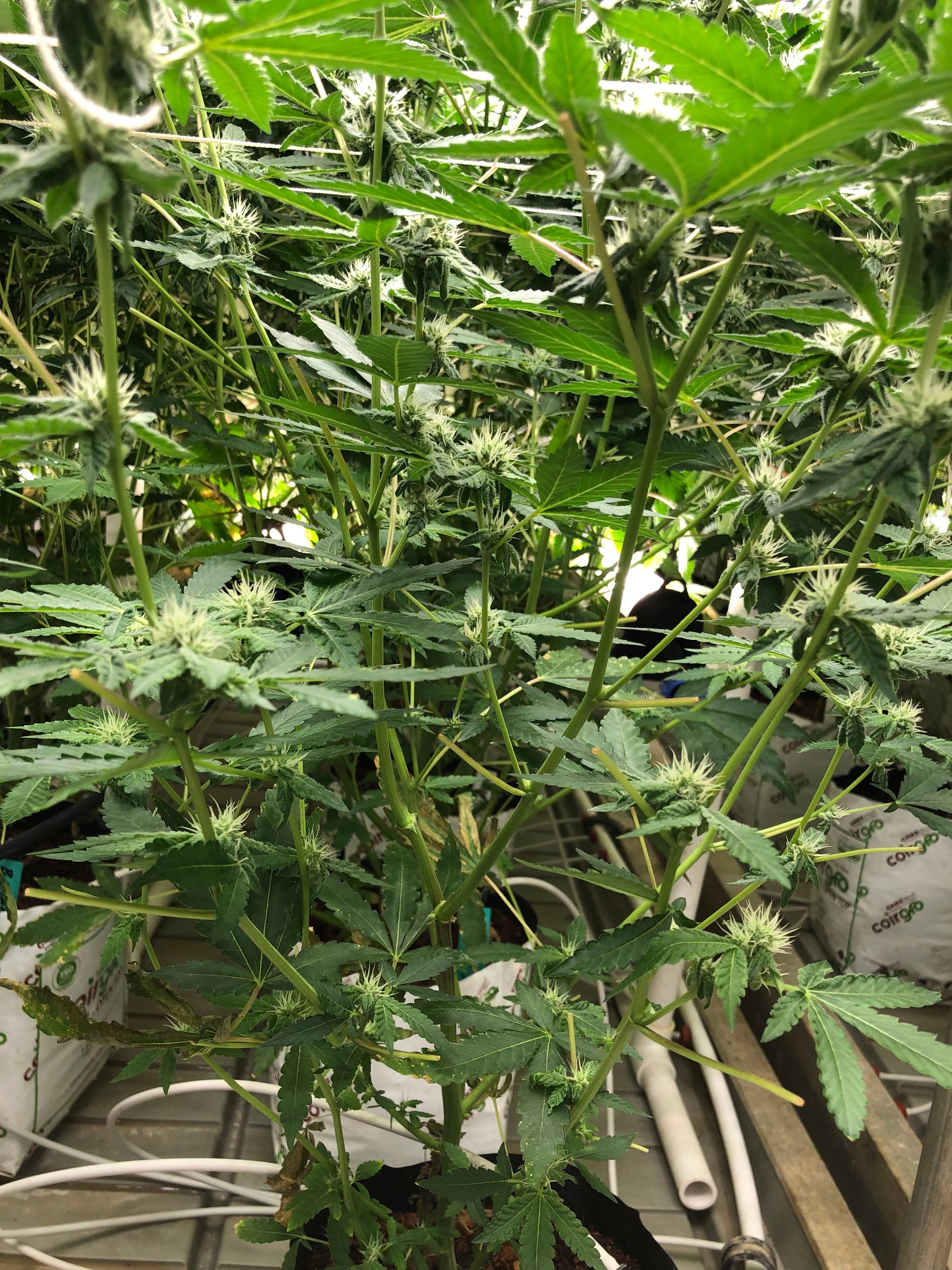

This LED grow light guide helps indoor growers understand spectrum, wattage, fixture types, energy efficiency, and long-term grow room performance before choosing a lighting system. Whether you grow houseplants, herbs, seedlings, hydroponic crops, or commercial indoor plants, the right fixture can improve growth consistency, reduce heat load, and support healthier plants.
Instead of choosing a light by wattage alone, growers should compare usable output, coverage area, spectrum design, fixture efficiency, mounting height, and maintenance needs. As a result, a better lighting decision can support stronger plant growth while reducing wasted energy.
Why Efficient LED Grow Lights Replaced HPS Fixtures
High-Pressure Sodium fixtures were common for decades, but they create several problems for modern indoor cultivation. They consume more electricity, produce more heat, and often require additional cooling equipment. Consequently, the room may spend energy twice: first to power the lamps, and then again to remove the heat those lamps create.
Modern LED technology converts more power into usable plant light and less power into waste heat. In addition, many fixtures allow dimming, spectrum control, or stage-based adjustments. That flexibility makes LEDs more practical for growers who want better efficiency without sacrificing plant performance.
Utility companies often prefer efficient lighting upgrades because they reduce electrical demand. For commercial growers, that can also create opportunities for rebate programs, especially when fixtures meet documentation and efficiency requirements.
Fixture Types in This LED Grow Light Guide
Bulbs for Small Indoor Grow Lights
Small replacement bulbs can support seedlings, herbs, and compact indoor plants. They work well for shelves, starter trays, and simple home setups. However, they usually do not provide enough coverage for larger rooms or dense plant layouts.
Panel-Style LED Grow Light Fixtures for Wider Coverage
Panel-style fixtures spread light across tents, benches, shelves, and controlled grow rooms. Because panels can provide more even coverage, they are usually more useful than small bulbs when several plants need consistent light.
Starter Kits and Hydroponic LED Lights
Bundled kits may include lights, hangers, stands, timers, or basic accessories. These packages can help beginners set up faster. Meanwhile, hydroponic fixtures are often designed for controlled environments where lighting, nutrients, airflow, and irrigation work together.
- Bulbs: best for small plants, herbs, and starter areas.
- Panels: better for tents, benches, and wider coverage.
- Kits: useful for beginners who want bundled equipment.
- Hydroponic fixtures: designed for controlled systems and higher-density setups.
- Commercial fixtures: built for larger rooms, stronger output, and longer operating hours.
Key Benefits of Modern Grow Lighting
Energy Efficiency and Cost Savings
Energy efficiency is one major advantage of LED grow lights. A well-designed fixture can deliver strong usable output while consuming less electricity than traditional HID or fluorescent systems. Over many hours of daily operation, that difference can reduce utility costs significantly.
Lower heat output also matters. When a fixture releases less heat into the room, the grower may reduce cooling demand, stabilize the environment more easily, and protect plant health during warmer periods.
LED Grow Light Spectrum Control for Plant Growth
Plant lights can target specific wavelengths for different growth stages. Blue-rich output often supports compact vegetative development, while red-heavy output can support flowering and fruiting. Meanwhile, full-spectrum designs help growers run one fixture across multiple stages.
However, spectrum should not be the only factor. Growers also need the right intensity, coverage pattern, mounting height, and photoperiod. A strong lighting plan combines spectrum with the actual layout of the room.
LED Grow Light Guide for Wattage and Coverage
What Wattage Really Means
Wattage tells you how much power a fixture consumes, but it does not always tell you how much useful light reaches the plant. For that reason, growers should also review PPF, PPFD maps, efficacy, fixture dimensions, and recommended coverage area.
Still, wattage helps with planning. It affects electrical load, heat output, room design, and long-term energy cost. Therefore, growers should choose wattage based on space, plant count, crop type, and growth stage rather than guessing from fixture size alone.
General LED Grow Light Wattage Ranges by Space
- Small plants or desk setups: 20–50 watts can support herbs, seedlings, or low-light houseplants.
- Medium grow tents: around 100 watts may work for compact tents or several small plants.
- Full grow rooms: larger panels from 200–600 watts can support wider coverage zones.
- Commercial rooms: large spaces often require multiple fixtures and a complete lighting layout.
In practical terms, a fixture should match the grow area instead of simply having the highest wattage number. Additionally, dimming capability can help growers adjust output as plants move from early growth into heavier production stages.
Best LED Grow Light Spectrum for Indoor Growing
Blue Light for Vegetative Growth
Shorter blue wavelengths support leaf development, compact structure, and strong early-stage growth. During seedling and vegetative phases, many growers use higher blue influence to reduce stretch and encourage tighter plant structure.
Red Light for Flowering and Fruiting
Warmer red wavelengths support flowering, fruiting, and biomass development. Many full-spectrum fixtures include red diodes to improve flowering performance while keeping enough broad-spectrum output for balanced plant growth.
Full Spectrum LED Grow Lights
Broad-spectrum fixtures combine blue, red, white, and sometimes UV or infrared wavelengths. This makes them useful for growers who want one lighting platform for multiple growth stages. In addition, broad-spectrum output often creates a more natural visual environment for workers and plant inspection.
Indoor Applications for Grow Lights
Indoor Gardens and Plant Stands
Small fixtures, stands, and plant lamps work well for herbs, succulents, houseplants, and starter trays. These systems help plants receive consistent light when windows do not provide enough intensity or duration.
Hydroponic and Controlled Rooms
Hydroponic systems and grow rooms benefit from more controlled lighting. When growers combine proper fixtures with irrigation, nutrients, airflow, and environmental control, they can improve growth consistency and reduce seasonal variation.
Commercial setups need lighting that fits the room design instead of a standalone fixture purchase. Fixture spacing, ceiling height, bench layout, airflow, and electrical capacity all affect the final result.
Popular Brands and Buying Considerations
Common LED Grow Light Brands
- Mars Hydro: known for accessible grow kits and panel-style fixtures.
- Spider Farmer: popular for full-spectrum fixtures and smart-control options.
- Grow Pros Solutions: offers high-performance, commercial-grade grow lighting systems.
- Gavita: used in professional indoor grow rooms and high-output lighting layouts.
- Other brands: budget-friendly options may work for casual or small-scale indoor gardeners.
What to Compare Before Buying
Quality LED grow lights can be purchased through manufacturer websites, specialty retailers, commercial suppliers, and large eCommerce platforms. Before buying, growers should compare coverage area, warranty, certifications, control compatibility, thermal design, and product support.
For commercial rooms, it is usually better to plan the full system first. That includes fixture count, mounting height, electrical load, dimming, zoning, maintenance access, and future expansion.
Maintenance Tips for LED Grow Lights
Cleaning and Positioning
Dust and residue reduce light transmission. Therefore, growers should wipe fixture surfaces with a soft cloth and keep the optical area clean. Proper positioning also matters because fixtures mounted too close can stress plants, while fixtures mounted too high may waste output.
For under canopy grow lights, growers should pay extra attention to water exposure, nutrient residue, and connector placement. Lower-zone fixtures sit closer to irrigation and plant material, so maintenance access becomes more important.
Monitoring and Longevity
Modern LED fixtures can last a long time, but growers should still check for flickering, dimming, damaged cables, or inconsistent output. Timers and controllers can also help maintain stable schedules, which supports better plant response.
Energy Efficient Grow Lights and Environmental Impact
Reducing Energy Consumption
Compared with traditional HID and fluorescent lamps, LED grow lights usually consume less electricity for the same or better usable output. In addition, better fixture efficiency can reduce cooling demand, which lowers total room energy use.
Clean fixtures, correct wattage, and proper dimming can improve efficiency even further. Instead of running every fixture at full power all the time, growers can match output to plant stage and room conditions.
Sustainability and Rebate Opportunities
Longer fixture lifespans reduce replacement waste and ongoing maintenance costs. Meanwhile, lower heat output can reduce HVAC pressure and support more stable room conditions.
Some states offer utility rebate programs for qualified commercial lighting upgrades. These incentives can help growers offset project costs when fixtures meet program requirements.
Final Summary: LED Grow Light Guide
This LED grow light guide shows that indoor lighting decisions should go beyond wattage or brand names. Growers should look at spectrum, coverage, efficiency, heat output, controls, maintenance needs, and the full room layout.
For small indoor gardens, a compact lamp or bulb may be enough. Tents, hydroponic systems, and commercial rooms usually need a more complete lighting plan to improve consistency, energy use, and plant performance. When selected correctly, modern grow lighting can support healthier plants, better yields, and more efficient indoor production.
```