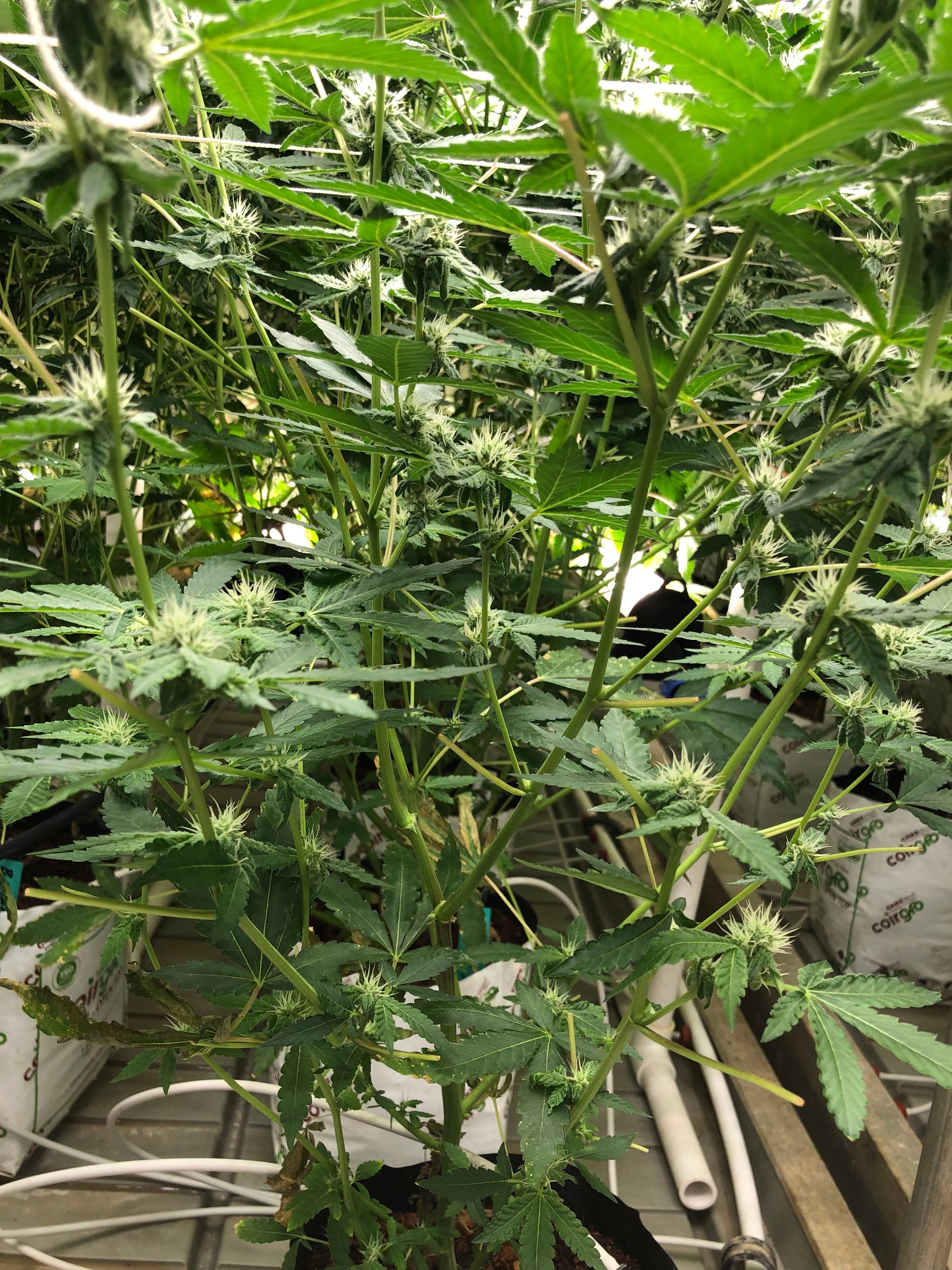

Under canopy light rebates are becoming more important as growers prepare for grow lights 2026 rebates, stricter utility rules, and better LED upgrade plans. These rebates can help lower project costs while under canopy lights improve lower-canopy PPFD, light spread, and crop value.
As controlled-environment agriculture keeps growing, more facilities now look beyond top lights alone. Dense plants often block overhead light before it reaches lower leaves and lower bud sites. Because of that, growers use under canopy lights to send useful light into areas that once stayed weak.
This guide explains how under canopy lighting fits into 2026 rebate planning, what utilities may look for, and how growers can prepare a stronger project before applying. For the basic lighting concept, start with What Are Under Canopy Grow Lights?.
Why Under Canopy Light Rebates Matter in 2026
Under canopy light rebates matter because they connect two important goals: lower energy cost and better plant use of light. Growers do not want to add fixtures just to use more power. Instead, they want lights that improve the value of the crop while helping the project qualify for utility support.
In many rooms, top lights drive the main canopy well. However, the lower plant area still receives less usable light. As plants become dense, this gap can lead to weaker lower flowers, more trim waste, and less even crop quality.
Under canopy lights help solve that issue by targeting the lower plant zone. As a result, growers can improve light use without relying only on more overhead wattage. For more detail on why this approach works, read Why Uplighting From Below Works.
Lower-Canopy PPFD Is Now Part of Rebate Planning
Lower-canopy PPFD gives growers a better view of what the whole plant receives. Top-canopy PPFD alone does not show whether the lower plant area gets enough light. Therefore, many growers now measure top, middle, and lower zones when they plan LED upgrades.
This matters for grow lights 2026 rebates because utility teams may ask for better light maps, fixture data, and proof that the system improves energy use. A clear PPFD plan can make the application easier to review. For measurement strategy, see How to Measure Lower Canopy PPFD.
How Under Canopy Lights Support Grow Lights 2026 Rebates
Grow lights 2026 rebates may place more focus on whole-room performance. In the past, many rebate programs looked mainly at fixture wattage and fixture efficiency. Now, many growers expect utilities to care more about light placement, PPFD maps, and how the full system works.
Under canopy lights can support this shift because they improve light in the lower plant zone. In addition, they may help growers use top lights more wisely. For example, a grower may pair strong top fixtures with a lower support layer instead of pushing top lights harder than needed.
Utilities Want Better Lighting Documentation
Utilities often need clear proof before they approve a rebate. That proof may include fixture specs, layout files, wattage totals, photos, and PPFD maps. Because of this, growers should plan the rebate file before they order every light.
Under canopy light rebates work best when the grower can show how the fixtures fit the room. A simple layout, clean fixture list, and clear lower-canopy PPFD data can help the review process. Growers can also review broader program guidance through Grow Lights Rebate.
Rebate Eligibility for Under Canopy Lighting
Each utility sets its own rules. Still, many programs look for the same basic items: efficient LED fixtures, safe installation, clear paperwork, and a real energy-saving reason for the upgrade.
Growers should check for:
- High fixture efficiency
- DLC listing or similar proof when required
- Fixture wattage and layout details
- PPFD maps for top, middle, and lower canopy zones
- Photos of the installed system
- Invoices and product spec sheets
Because rules can change by area, growers should work with a rebate partner early instead of waiting until installation is complete. Fixture lists may also need to align with standards from groups such as the DesignLights Consortium.
State-by-State Grow Light Rebate Changes
Rebate rules vary by state and utility. Also, programs can pause, reopen, or change funding levels with little notice. For that reason, growers should confirm current rules before they buy fixtures or schedule crews.
LADWP Grow Light Rebate Updates
LADWP has had program changes that affect horticulture projects. If a grower already has an approved project, the next step is to confirm the install deadline and paperwork needs. However, new projects may need extra review if the program is paused or limited.
SCE Grow Light Rebate Requirements
SCE projects may need high-efficiency fixtures and strong layout records. Under canopy lights can help when the project needs better full-canopy light spread. In addition, lower-canopy PPFD maps may support a stronger rebate file.
Growers in Southern California should review current program details directly through Southern California Edison or a rebate partner before they assume a fixture qualifies.
PG&E Lighting Incentive Changes
PG&E programs can fill quickly when demand is high. Because of that, growers should prepare documents early and avoid last-minute rebate planning. Under canopy lighting may help if the system improves full-room light use and reduces wasted power.
New York Horticulture Rebate Changes
Some New York utility programs may reduce or end horticulture rebate support. Even so, under canopy lights can still make sense for crop value. Growers in that state should treat rebates as uncertain and review local program status before planning savings.
NV Energy 2026 Rebate Opportunities
NV Energy may offer new opportunities when 2026 applications reopen. Growers who use high-efficiency top lights with under canopy lighting should prepare fixture data, PPFD maps, and project photos early.
Mississippi Power Lighting Incentives
Mississippi Power has been one of the steadier programs for horticulture lighting support. As more growers adopt multi-layer lighting, under canopy light rebates may become more relevant in future project reviews.
How Growers Can Prepare for Under Canopy Light Rebates
Preparation makes a major difference. A grower who waits until after installation may lose time fixing missing paperwork. By contrast, a grower who plans early can match the fixture choice, layout, and documents to the rebate rules.
Measure Lower-Canopy PPFD Early
Start by measuring the weak zones. Top readings alone will not show whether the lower plant area needs support. Instead, measure at lower bud height and compare the readings with the top and middle canopy.
These numbers can help you decide where under canopy lights make sense. They can also help show why the project improves whole-plant light use. For layout planning, review Under Canopy Lighting Intensity and Spacing.
Choose High-Efficiency Under Canopy Fixtures
Rebate programs usually favor efficient fixtures. Therefore, growers should compare fixture output, wattage, driver quality, and product listings before buying.
A low-cost fixture may look attractive at first. However, weak efficiency or missing documents can reduce rebate value or create approval problems. For that reason, choose fixtures that fit both the crop plan and the rebate file. You can also compare available fixture formats in the under canopy grow light collection.
Prepare Rebate Documentation Before Applying
Strong rebate files often include more than a product invoice. Before applying, gather:
- Fixture spec sheets
- Fixture count and wattage totals
- Room layout or rack layout
- Top, mid, and lower PPFD maps
- Photos before and after installation
- DLC or similar documents when needed
- Installation dates and proof of purchase
In addition, keep all files in one folder. This simple step can save time when the utility asks for updates. For complex projects, a rebate partner such as Grow Lights Rebate can help organize the process.
Energy Savings and Crop Value Work Together
Under canopy lighting should not be treated as “more lights equals better results.” Instead, growers should use it as a targeted layer. The goal is to improve the lower plant zone while keeping energy use under control.
When growers use under canopy lights correctly, they may improve usable yield, reduce weak lower material, and create more even crop quality. At the same time, a well-planned LED system can support the energy-saving case behind under canopy light rebates.
This is why grow lights 2026 rebates may matter for more than simple fixture cost. A good rebate project can lower upfront cost and support a more useful lighting plan. For efficient top-lighting support, growers can also review commercial fixtures such as the Griffin Advanced Grow Light.
Final Takeaway on Under Canopy Light Rebates
Under canopy light rebates can help growers reduce the cost of high-efficiency LED upgrades while improving lower-canopy light use. As utility programs move toward better documentation and whole-canopy planning, growers should prepare early.
First, measure lower-canopy PPFD. Next, choose efficient fixtures. Then, build a clear rebate file with layout data, photos, spec sheets, and wattage totals. This process can make the project easier to review and easier to scale.
Growers who combine top lights, under canopy fixtures, and strong documentation will be better prepared for grow lights 2026 rebates. More importantly, they can build lighting systems that improve both energy use and crop value.