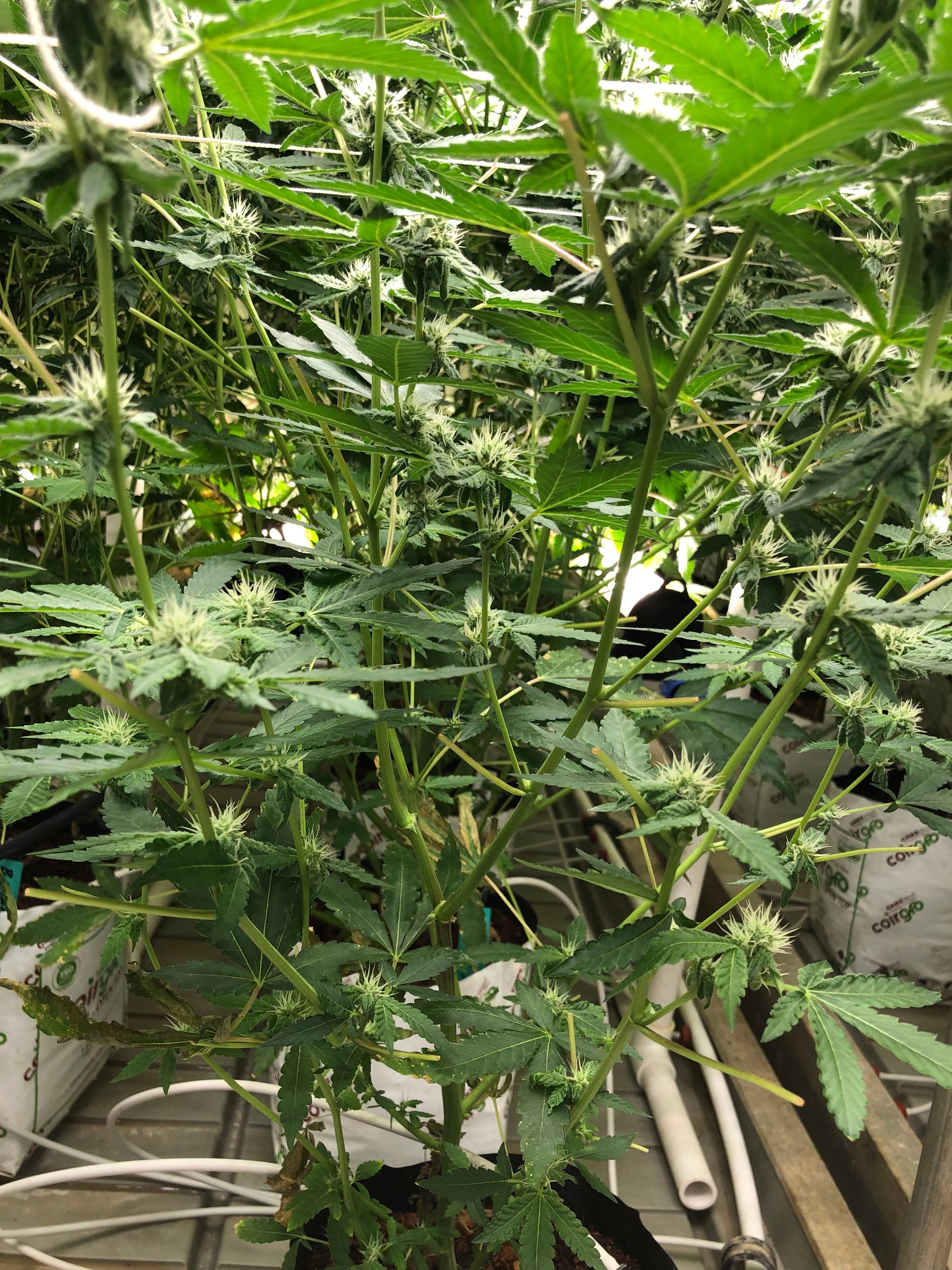

Utility grow light rebates can help commercial growers reduce LED upgrade costs, lower energy use, and improve grow room efficiency. These utility energy rebates can also make the application process feel less risky when you prepare the right documents early. As a result, your upgrade can move forward with better savings potential and fewer approval problems.
Commercial grow rooms use a lot of power. Older lights, such as HPS or metal halide systems, can push utility bills higher and cut into profit. However, modern LED grow lights and under-canopy options can reduce power use while supporting better plant growth.
In many cases, LED grow light rebates can offset a major share of the upgrade cost. Some growers may qualify for large savings when they apply before buying or installing new fixtures. Therefore, it is important to plan early and avoid common rebate mistakes.

The Benefits of Utility Grow Light Rebates
Utility grow light rebates help growers upgrade from older lighting to efficient LED systems with less upfront cost. Because lights run for long hours in commercial grow rooms, even a small gain in efficiency can create strong savings over time.
LED grow lights can use far less energy than older systems. Also, they produce less heat, which can reduce the need for heavy cooling. As a result, growers may lower both lighting and HVAC costs.
These rebates also help utilities manage power demand. When more facilities move to efficient lighting, the grid can operate with less stress. Because of that, many utility programs support horticulture lighting upgrades, especially when the project uses qualified LED fixtures.
Documents Needed for LED Grow Light Rebates
LED grow light rebates usually require basic project documents. However, the exact list can change by utility, state, and project type. For that reason, growers should gather the right files before they buy lights or start installation.
Most programs may ask for:
- A recent power bill that shows your active commercial account.
- A site floor plan with room labels that match your facility layout.
- A project scope that explains whether the upgrade is a retrofit, expansion, or new build.
- Current light models being replaced, if the project is a retrofit.
- Planned new light models and fixture counts.
- Spec sheets for the new fixtures.
- Proof of DLC, ETL, or other required certification when needed.
Certified fixtures can improve eligibility because utilities often need proof that the lights meet efficiency rules. For example, many programs review products through the DesignLights Consortium horticultural lighting requirements.
If any part of the paperwork feels unclear, reach out to us. We can help you collect, check, and prepare the documents before the rebate file goes in.
Pro advice: contact us before any purchase or installation. Early review helps keep the project compliant and protects the best rebate potential.
Utility Energy Rebates by Region
Utility energy rebates are available in many parts of the United States and Canada. However, each region has different rules, budgets, and timing. Therefore, a project that works in one state may need a different rebate path in another state.
California growers often have access to strong lighting rebate programs through major utilities. Meanwhile, Michigan, Colorado, and Oregon may offer energy-efficiency funding for indoor farming and commercial grow operations.
New Jersey and other Northeast markets may also offer lighting incentives for efficient upgrades. In some areas, growers can receive fast-track support when the project uses qualified fixtures and clear documents.
Canadian provinces may support advanced LED systems as well. In addition, many U.S. zip codes have some form of commercial LED incentive access. Because funds are limited, growers should check programs early instead of waiting until the project is already built.
How We Help Maximize Grow Light Incentives
Utility grow light rebates can be hard to manage alone because rules change often. We help growers avoid common problems, such as buying non-qualifying products, missing deadlines, or submitting incomplete files.
Our service supports the full rebate process:
- Reviewing your utility and local program options
- Checking whether your fixture plan may qualify
- Helping organize power bills, floor plans, and spec sheets
- Reviewing timing before purchase or installation
- Preparing the application file
- Helping respond if the utility asks for more information
Because every facility is different, we match the rebate strategy to the room size, lighting plan, and utility rules. Also, we can advise on related upgrades, such as ventilation or humidity control, when they may improve total savings.
For broader rebate help and current program guidance, growers can review this rebate support resource. For product and project support, Grow Pros Solutions also provides an LED upgrade savings guide.
Why Timing Matters for Utility Grow Light Rebates
Timing can decide whether a project qualifies. Many growers lose rebate value because they buy fixtures too early, install before approval, or submit documents after a deadline. Therefore, the safest step is to review the rebate path before spending money.
Some programs require pre-approval. Others may allow different steps, but still need proof that the project meets the rules. Either way, growers should not assume that a low-watt LED fixture will qualify automatically.
In addition, rebate budgets can run out. When funds close, even a good project may need to wait for the next program cycle. Early planning gives you more options and more control.
Start Saving With Utility Grow Light Rebates
Utility grow light rebates can turn an LED upgrade into a lower-risk investment. Instead of carrying the full cost alone, growers may use incentives to reduce upfront spending and improve long-term room efficiency.
Before you buy lights or schedule installation, compile the basic documents and get in touch today. We can review your project, check the likely rebate path, and help you avoid mistakes that can delay approval.
High energy bills do not need to limit your grow room. With the right plan, utility energy rebates can help you cut power use, upgrade lighting, and build a more efficient facility.
Start with the documents, confirm the program rules, and let us handle the application details. As a result, your utility grow light rebates can move from a confusing paperwork task to a clear savings plan.