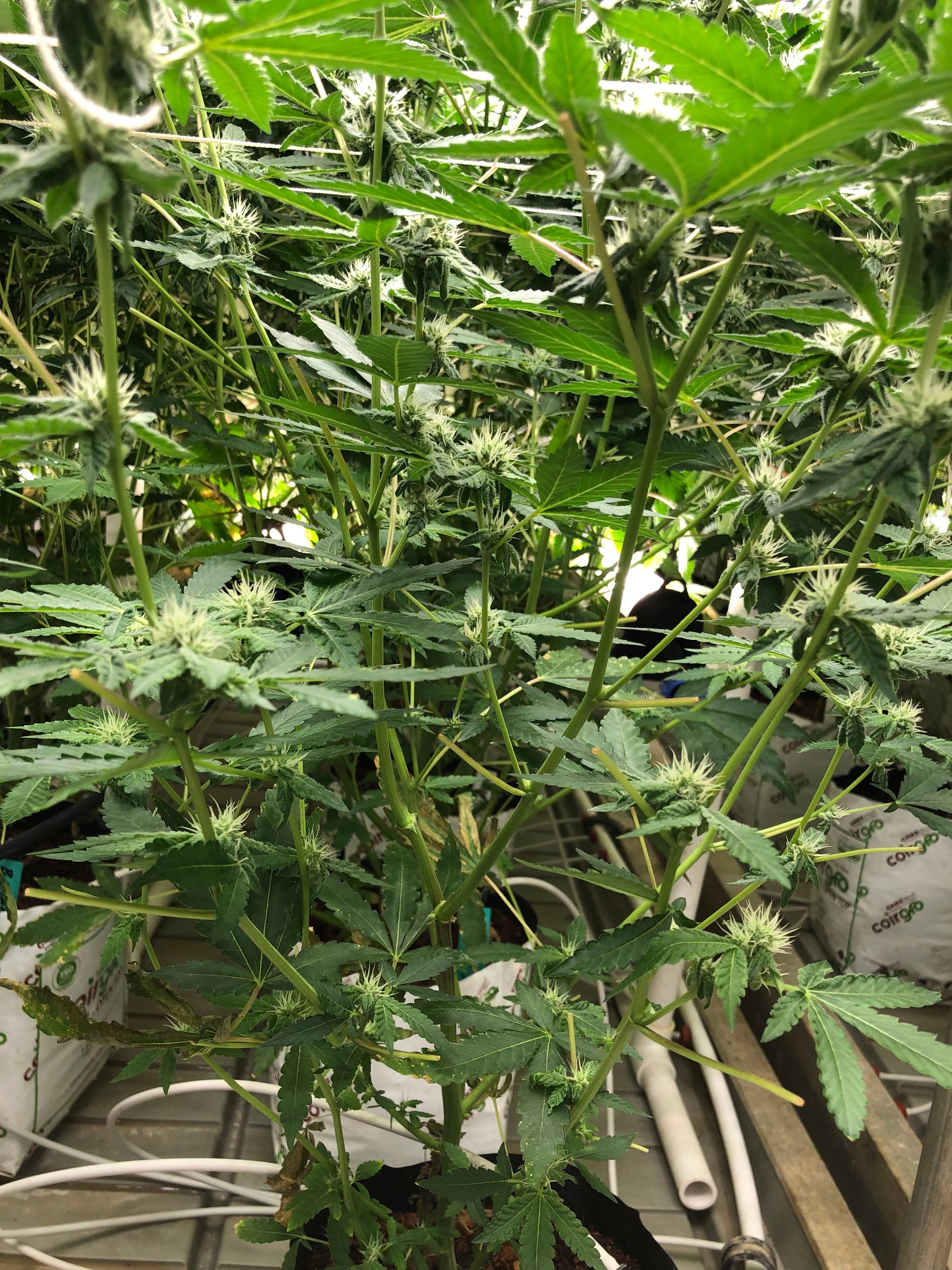

**Focus Keyword:** `grow light rebate Michigan` **SEO Title:** `Grow Light Rebate Michigan: 2025 Essential Guide` **URL Slug:** `grow-light-rebate-michigan` **Meta Description:** `Grow light rebate Michigan updates for 2025 include indoor agriculture rebates, LED requirements, inspections, documentation, and project approval tips.` **Additional Keywords:** `grow light rebate Michigan, Michigan grow light rebates, LED grow light rebates, indoor agriculture rebates, Michigan Energy Efficiency Program, horticulture lighting rebates, under-canopy lighting rebates, prescriptive rebate measures, custom rebate measures, lookback rebate projects, DLC certified grow lights, high-efficiency LED grow lights` **Featured Image Alt Text:** `grow light rebate Michigan for indoor agriculture LED upgrades` ```html
Grow Light Rebate Michigan: 2025 Essential Guide
Grow light rebate Michigan updates for 2025 can help indoor growers reduce lighting costs, plan LED upgrades, and prepare stronger rebate applications. The updated indoor agriculture measures focus on energy-efficient lighting, project documentation, inspections, and equipment eligibility. As a result, growers who plan early can avoid delays and improve their chance of approval.
This guide explains the key 2025 updates, including custom measures, prescriptive measures, lookback projects, under-canopy lighting requirements, and documentation steps. In addition, it shows how growers can use certified LED grow lights, proper inspection planning, and rebate guidance to protect project ROI. For professional support, visit Grow Lights Rebate.
Overview of Grow Light Rebate Michigan in 2025
The Michigan Energy Efficiency Program continues to support agricultural facilities that invest in energy-saving equipment. For indoor growers, lighting remains one of the largest operating costs. Therefore, LED grow light rebates can play an important role in lowering project costs and improving long-term facility efficiency.
Although official program pages may continue to update, growers should begin planning around the core requirements early. Pre-application timing, inspection status, fixture documentation, and certification details can all affect approval. Because of that, a rebate strategy should start before equipment is purchased or installed.
Why Michigan Grow Light Rebates Matter
Indoor agriculture uses a significant amount of energy for lighting, HVAC, dehumidification, and controls. However, high-efficiency LED upgrades can reduce electrical demand while improving lighting performance. Rebates help offset the upfront cost, which makes better equipment more accessible for commercial facilities.
In addition, rebates encourage growers to choose qualified products instead of low-efficiency fixtures. This matters because better equipment can reduce operating costs over many crop cycles. Over time, the savings can support stronger profitability and more sustainable production.
- Lower upfront cost for qualified LED grow light upgrades
- Reduced long-term lighting energy use
- Better project ROI when documentation is handled correctly
- Improved facility planning for future expansion
- Stronger alignment with energy-efficiency program requirements
2025 Indoor Agriculture Rebate Updates
The 2025 indoor agriculture updates affect how growers prepare custom projects, prescriptive projects, and lookback rebate applications. Each path has different rules, so growers should not assume every project follows the same process. Instead, they should match the rebate path to the project type before work begins.
For example, a retrofit project may need pre-application approval before installation starts. Meanwhile, a lookback project may require stronger proof that the facility already used the equipment and met plant-presence expectations. Clear planning helps avoid unnecessary rejection risk.
Custom Measures and Plant Presence Requirements
Custom measures may require plants to be present at final inspection. In many cases, only 50% plant presence may satisfy the requirement, depending on the project details and program guidance. This change can make inspection planning easier for growers who cannot keep every room fully loaded at the same time.
Still, growers should not treat this rule casually. The inspection must support the savings claim, and the facility should match the project description. Therefore, photos, operating conditions, fixture schedules, and room notes should stay organized before the inspection date.
Prescriptive LED Grow Light Rebates
Prescriptive measures usually follow a more standardized path. Instead of calculating every project from scratch, the program may use defined equipment categories and eligibility rules. As a result, prescriptive LED grow light rebates can feel easier for growers when the equipment clearly meets program requirements.
High-efficiency LED fixtures often need proper certification and documentation. For example, DLC listing, UL or ETL safety certification, fixture wattage, and product specifications may all matter during review. Growers looking for compliant lighting can review professional-grade options from Grow Pros Solutions.
Pre-Application and Inspection Rules
Retrofit projects often need pre-applications before work begins. This step helps confirm eligibility before a grower spends money on equipment, labor, and installation. Without that early step, a project may lose rebate eligibility even if the equipment performs well.
In addition, facilities may need to operate at pre-inspection so the program can verify existing conditions. This helps establish baseline energy use and supports accurate savings calculations. Before making fixture reductions or major lighting changes, growers should confirm whether pre-inspection applies.
- Review the project type before purchasing equipment.
- Submit the pre-application when required.
- Confirm facility operating status before inspection.
- Keep fixture counts, wattages, and specifications organized.
- Document installation changes after approval.
Under-Canopy Lighting and Flowering Applications
Under-canopy lighting can support lower-zone development in dense flowering rooms. However, rebate eligibility depends on program rules, product documentation, and how the system fits into the project. Growers should verify requirements before assuming every under-canopy fixture qualifies.
Because under-canopy fixtures often work alongside overhead LEDs, the full lighting layout matters. The program may need to understand fixture purpose, wattage, operating schedule, and expected savings. In practical terms, under-canopy lighting should appear as part of a complete energy-efficiency plan, not as a disconnected add-on.
Certification Requirements for LED Grow Lights
LED grow lights used in rebate projects often need recognized certifications. DLC certification can help prove horticultural fixture performance, while UL or ETL listings support electrical safety. In addition, product specification sheets should clearly show wattage, efficacy, fixture model, and control compatibility.
These documents help reviewers confirm that the selected equipment matches the application. Also, they reduce the chance of follow-up questions that delay approval. When growers organize product data early, the rebate process usually moves more smoothly.
- DLC horticultural listing when required
- UL or ETL safety certification
- Fixture wattage and model number
- Manufacturer specification sheet
- Lighting layout or fixture count
- Installation invoice and project documentation
Lookback Projects and Retroactive Rebate Planning
Lookback projects involve rebate requests for work that has already happened. These projects can be useful, but they usually require stronger documentation. Since the program must verify past conditions and savings, growers should prepare for a more detailed review.
For lookback projects, full plant presence may be required at inspection. This helps confirm that the facility operates as described and that the lighting system supports real production. Therefore, growers should plan the inspection timing carefully rather than requesting review during an empty or inactive period.
Accurate records matter even more for lookback rebates. Purchase invoices, fixture specifications, installation dates, photos, and operating schedules can all help support the claim. If those details are missing, the approval process may slow down or fail.
How to Improve Grow Light Rebate Michigan Approval Speed
A strong grow light rebate Michigan application starts with clean planning. Growers should match the rebate path to the project before equipment changes begin. Then, they should keep every supporting document in one place so the application does not stall during review.
Additionally, growers should avoid changing fixture counts, room layouts, or operating schedules without updating their documentation. Small inconsistencies can create questions during inspection. By keeping the project record accurate, the grower gives the reviewer a clearer path to approval.
Documentation Checklist for Growers
Good documentation protects the rebate application. It also helps growers compare project cost, energy savings, and payback period more accurately. Before submitting, make sure the application package includes the most important details.
- Project location and facility information
- Existing fixture count and wattage
- Proposed fixture count and wattage
- Product specification sheets
- DLC, UL, or ETL documentation when needed
- Pre-inspection notes or photos
- Installation timeline
- Invoices or quotes
- Operating schedule and room use details
After the application is submitted, growers should respond quickly to any program questions. In many cases, delays happen because reviewers need one missing document or clarification. A prepared project team can handle those requests faster.
Equipment Choices for LED Grow Light Rebates
Equipment selection affects both rebate eligibility and long-term performance. While a low-cost fixture may look attractive upfront, it may not meet documentation, safety, or efficiency requirements. Therefore, growers should compare LED fixtures based on certification, performance, warranty, thermal design, and application fit.
High-efficiency fixtures can reduce energy use while supporting strong crop performance. Also, dimming and control compatibility can help growers fine-tune output by room, stage, or schedule. These features may improve both operating efficiency and production consistency.
High-Efficiency Top Lighting
Top lighting remains the primary driver in most indoor cultivation rooms. Strong overhead LED fixtures provide the main intensity needed for canopy development. When growers upgrade from older lighting systems, efficient top lights can create meaningful energy savings.
However, the fixture must still match the room design. Mounting height, canopy size, spectrum, wattage, and control strategy all affect the final result. For broader LED planning, growers can review solutions from Grow Pros Solutions.
Under-Canopy Lighting for Lower-Zone Support
Under-canopy lighting can help dense rooms address lower-canopy shadowing. Instead of relying only on overhead light penetration, growers can add targeted lower-zone support. This strategy may improve uniformity when the layout, spacing, and operating schedule are designed correctly.
At the same time, under-canopy fixtures should not create wiring, cleaning, or airflow problems. Growers should plan routing, mounting, and service access before installation. For product examples, review the under-canopy lighting collection.
Expert Help for Michigan Grow Light Rebates
Michigan grow light rebates can involve technical requirements, inspection timing, and detailed paperwork. Because of that, many growers benefit from rebate support before they submit an application. Expert guidance can help identify missing documents, improve project structure, and reduce avoidable delays.
Rebate support becomes especially useful when projects include custom measures, lookback claims, large fixture counts, or mixed lighting systems. In those cases, small mistakes can affect approval speed or rebate value. Professional planning helps align equipment, paperwork, and program expectations.
When Rebate Consulting Makes Sense
Rebate consulting makes sense when the project has a large budget, a tight installation timeline, or complex documentation needs. It can also help when growers feel unsure about prescriptive versus custom rebate paths. Instead of guessing, the project team can confirm the application strategy before work begins.
Ultimately, the best rebate process starts early. Growers who wait until after installation may have fewer options, especially if the project needed pre-approval. To get help with planning, visit Grow Lights Rebate.
Conclusion: Grow Light Rebate Michigan Planning
Grow light rebate Michigan planning can help indoor agriculture facilities reduce upgrade costs, improve lighting efficiency, and avoid application delays. The 2025 updates make planning, documentation, inspections, and equipment selection more important than ever. As a result, growers should build the rebate strategy before making major lighting changes.
Certified LED grow lights, under-canopy lighting, accurate documentation, and expert guidance can all improve the process. Moreover, a clear plan helps growers protect project ROI while supporting long-term energy savings. Start by reviewing program requirements, organizing your documents, and working with rebate specialists who understand indoor agriculture lighting.
For rebate planning, visit Grow Lights Rebate. Commercial LED lighting options are available from Grow Pros Solutions. Lower-zone lighting strategies are available at Under Canopy Grow Lighting.
```