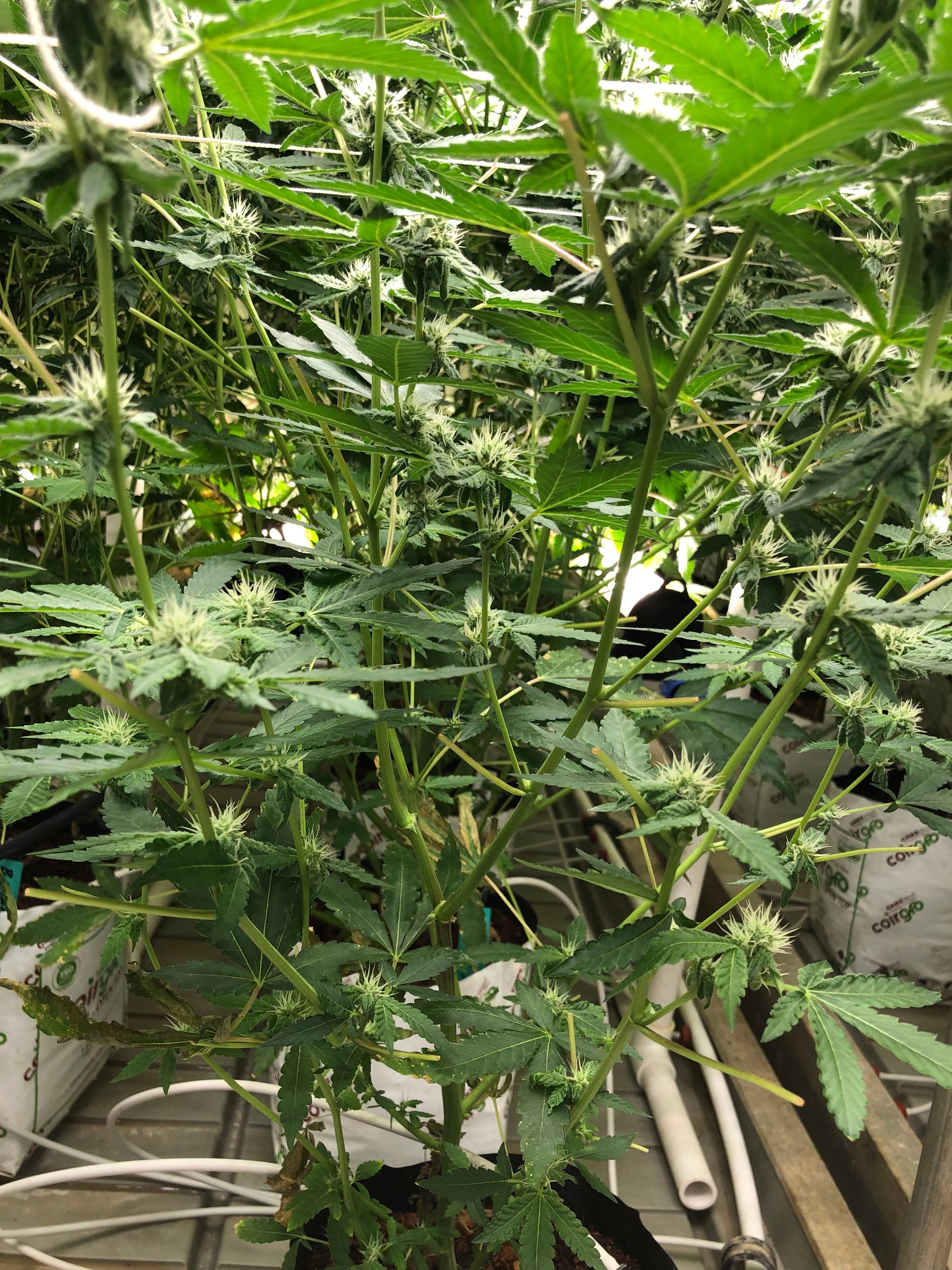

Under Canopy Light Maintenance: 7 Smart Tips
Under canopy light maintenance matters because these fixtures operate in one of the most demanding areas of an indoor cultivation room: close to irrigation, nutrients, humidity, and dense plant material. While many growers focus on installation and performance first, long-term output depends on how well the fixtures stay clean, dry, accessible, and consistent across crop cycles. As a result, a simple maintenance routine can protect both light output and fixture reliability.
If you are just getting started with lower-canopy lighting, review What Are Under Canopy Grow Lights?. This article focuses on what happens after installation. In other words, it explains how to keep under canopy systems performing properly instead of slowly losing output from residue, water exposure, or poor access.
Why Under Canopy Light Maintenance Matters
Unlike top-mounted fixtures, under canopy lights sit much closer to the active crop zone. Because of that, they face more contact with irrigation mist, nutrient residue, leaves, airflow restrictions, and plant debris. Over time, even a thin layer of buildup can reduce light output and create uneven coverage.
In addition, lower-zone fixtures often sit near drip lines, rolling benches, plant trays, and service paths. Therefore, maintenance becomes more than a cleaning task. It also becomes part of the facility’s overall lighting discipline.
- Water from irrigation systems
- Nutrient splashes and mineral residue
- High humidity near dense foliage
- Plant debris and leaf contact
- Dust, soil particles, and organic matter
As a result, growers should treat under canopy light maintenance as a normal crop-cycle task, not an emergency repair. More importantly, consistent upkeep helps prevent slow performance loss that may not appear obvious at first glance.
Common Under Canopy Grow Light Cleaning Issues
Residue Buildup on Fixture Surfaces
Fertilizer mist and mineral deposits can leave a thin film on fixture surfaces. At first, this film may look minor. However, it can reduce effective light transmission and create less consistent output across the lower canopy.
For that reason, under canopy grow light cleaning should happen before heavy buildup develops. It is easier to remove a light film than to clean hardened residue after several crop cycles.
Dust, Leaves, and Organic Matter
Leaves, soil particles, and airborne debris collect quickly in lower canopy zones, especially in high-density rooms. Meanwhile, dense foliage can trap humidity and reduce airflow around the fixture body. This combination can make the area around the light harder to keep clean.
Therefore, growers should check the fixture surface, mounting points, and nearby plant material during routine room walks. A quick inspection can often catch buildup before it affects performance.
Water Exposure Near Irrigation Lines
Improper placement near irrigation lines can lead to repeated water exposure. If fixtures or connectors sit directly under drippers, emitters, or runoff paths, long-term damage risk increases. Even when a fixture has a suitable rating, the installation should still reduce unnecessary water contact.
Instead, route lights and cables so irrigation systems can operate without constantly wetting connectors. This small planning step can reduce future service issues and improve system reliability.
Cleaning Frequency for Under Canopy Lights
A simple, consistent schedule works better than occasional deep cleaning. Because under canopy fixtures sit close to the crop, growers should treat cleaning as part of normal crop-cycle management rather than a rare repair task.
- Light wipe-down: once per crop cycle
- Visual inspection: during routine room checks
- Full inspection: every harvest
- Deep cleaning: between crop rotations
However, the ideal schedule depends on the room. For example, rooms with heavy irrigation mist, high humidity, or dense lower growth may need more frequent checks. By contrast, cleaner rooms with better airflow may need less intensive cleaning.
The goal is prevention. If the team prevents buildup early, under canopy light maintenance becomes quick and predictable instead of time-consuming between harvests.
How to Clean Under Canopy Grow Lights Properly
Cleaning should protect the fixture, not create new problems. Before touching the system, turn off power and allow the fixtures to cool. Then, use a soft cloth and avoid abrasive tools that can scratch surfaces or damage protective coatings.
- Turn off power to the lighting system.
- Allow fixtures to cool before handling.
- Use a soft, non-abrasive cloth.
- Apply a mild cleaning solution only when needed.
- Avoid excessive moisture around connectors.
- Inspect the surface again after cleaning.
Do not use harsh chemicals that can damage coatings, seals, labels, or fixture housings. In addition, avoid spraying liquid directly onto connectors. A controlled wipe-down is usually safer than soaking the fixture area.
After cleaning, check that every fixture turns on consistently. This final step helps catch loose connections, cable stress, or accidental movement before the next production phase begins.
Placement Tips That Reduce Maintenance
Good installation reduces future maintenance needs. If the fixture sits in the wrong place, the grower may have to clean it more often, move plants around it, or work around blocked service access. Therefore, placement should consider both light delivery and long-term serviceability.
- Keep lights slightly elevated from direct runoff.
- Avoid positioning fixtures directly under emitters or drip lines.
- Maintain consistent spacing for airflow.
- Leave enough room for wiping and inspection.
- Route cables away from standing water zones.
For layout guidance, see Designing Under Canopy Lighting for Rolling Benches and Multi-Tier Racks. That article explains how placement, movement, and routing affect under canopy systems in dense commercial layouts.
Under Canopy Lighting Maintenance and Performance Checks
Under canopy light maintenance is not only about cleaning. It also involves verifying that the system still performs consistently. A clean fixture can still underperform if a connector loosens, a cable gets stressed, or one section begins dimming.
Because of that, growers should combine cleaning with quick performance checks. This helps the team catch small problems before they affect canopy uniformity.
- Check for visible dimming or uneven output.
- Inspect connections and wiring.
- Confirm consistent operation across all fixtures.
- Look for cable strain near moving benches or racks.
- Verify that lights still aim into the intended lower canopy zone.
If measurements are needed, refer to How to Measure Lower Canopy PPFD. In many cases, measurements can show whether cleaning and placement are maintaining useful output.
Working With High-Performance Lighting Systems
Under canopy fixtures work best when they support a strong overhead lighting plan. When paired with top fixtures such as Griffin Advanced Grow Light, lower-zone lighting becomes part of a complete system rather than a standalone upgrade.
However, a complete system also needs complete maintenance. Top lights, under canopy lights, wiring, controls, and room conditions all influence the final result. Therefore, commercial growers should build maintenance routines around the full lighting system, not only the most visible fixtures.
Energy Efficiency and Long-Term Output
Dirty or obstructed fixtures do not just reduce light. They also reduce efficiency because the system consumes energy while delivering less usable output to the crop. As a result, clean fixture surfaces help ensure that electrical consumption translates into productive lower-canopy light.
In addition, maintenance can support better ROI across multiple harvests. Facilities evaluating system performance may also consider efficiency programs such as Grow Lights Rebate. When clean equipment, strong layout, and efficient fixtures work together, the lighting system can deliver more consistent value over time.
Final Takeaway on Under Canopy Light Maintenance
Under canopy light maintenance protects the value of the lighting system after installation. These fixtures sit close to plants, irrigation, nutrients, and debris, which makes them powerful but also more exposed. Therefore, regular cleaning, smart placement, and consistent inspection should become part of every crop-cycle routine.
In commercial environments, small maintenance habits can make a measurable difference over multiple harvest cycles. If the team keeps fixtures clean, checks wiring, avoids water exposure, and verifies performance, under canopy lighting can continue supporting lower canopy productivity instead of slowly losing output over time.