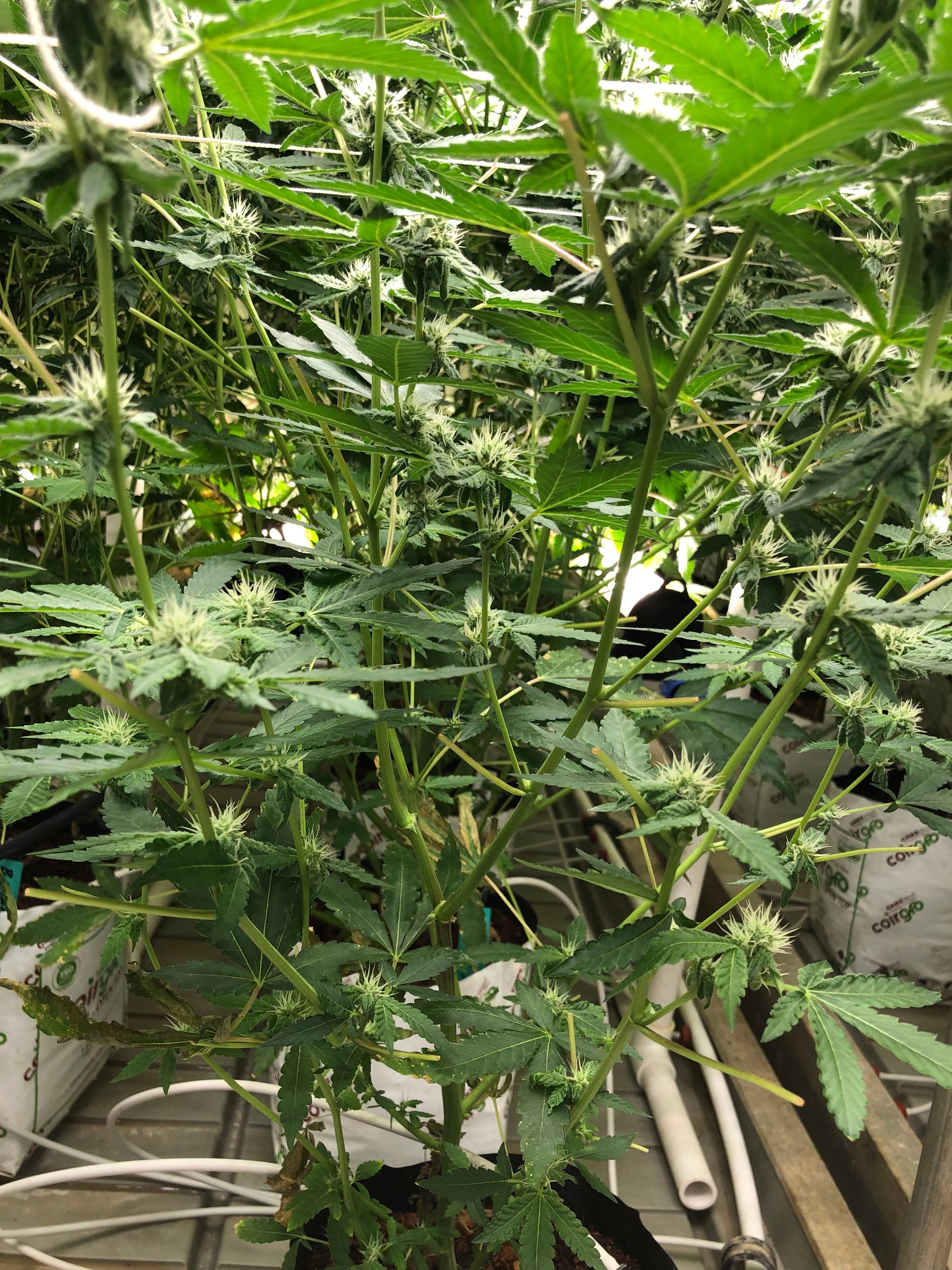

Under canopy lighting yield improves when shaded lower branches receive targeted light that overhead fixtures cannot reach. In dense indoor crop rooms, upper foliage often blocks light before it reaches the lower plant zone. As a result, lower buds may stay small, loose, or less valuable.
Grow Pros Solutions' under canopy grow lights help solve this problem by sending light upward into shaded lower branches. Instead of leaving the lower canopy weak, growers can turn more of the plant into useful, marketable flower. Therefore, the goal is not just more light. The goal is better light placement.
How Under Canopy Lighting Yield Improves Lower Growth
Supplemental under canopy lights support the part of the plant that top lights often miss. They deliver photons into shaded lower branches and extend the active light zone deeper into the canopy. Because of that, more leaves and bud sites can stay active through the grow cycle.
This approach can help growers:
- Improve lower bud development
- Reduce weak lower growth
- Increase usable flowering surface
- Support more even plant quality
- Make better use of the full plant structure
In other words, under canopy lighting yield comes from using the plant more fully, not only from adding more wattage.
Role of Supplemental Under Canopy Grow Lights
Under canopy grow lights work as a support layer below the main canopy. Top lights still drive the upper plant zone, while lower canopy lighting fills the shadows beneath it. Together, they create a more complete light plan.
However, growers should not treat under canopy fixtures like mini top lights. The best results usually come from smooth, even light that supports lower sites without creating heat stress. Therefore, spacing, height, and dimming all matter.
Under Canopy Spectrum for Targeted Results

Grow Pros Solutions offers under canopy lighting with spectrum options that can include red, far-red, and UVA channels. These channels help growers fine-tune the lower plant zone based on crop stage and desired results.
For example, red and far-red can support lower flower growth, while UVA may help with surface quality and plant response when used carefully. Also, dimmable controls let growers adjust the light as the crop changes. This makes the system easier to manage from early development through final flower.
Lower Bud Development and Spectrum Control
Lower bud development depends on more than fixture power. Light direction, spectrum, and timing all shape the final result. Because of that, a targeted under canopy spectrum can help lower sites finish with better size, density, and visual quality.
Fitting Under Canopy Lights Into Grow Rooms
Low-profile under canopy lights fit into many grow room layouts. Growers can use them in vertical racks, rolling benches, standard horizontal rooms, or hybrid greenhouse spaces. Since the fixtures sit below the main canopy, they add useful light without taking over the room.
In addition, under canopy lights can work alone in small test zones or pair with existing top lights in full-room layouts. This makes them useful for both new builds and upgrades. As a result, growers can improve light coverage without redesigning the whole facility.
Under Canopy Lighting Yield and Flower Quality

Growers use this lighting resource because the lower canopy often holds unused production value. When light reaches those shaded areas, lower buds can develop more evenly and the gap between top and bottom flower can shrink.
Under canopy lighting yield also depends on how well the full room works together. Strong top lighting, clean airflow, steady irrigation, and smart spacing all help the lower light do its job. If one part of the room falls behind, the final response may be weaker.
Yield Improvement Starts With Usable Flower
Yield improvement should not only mean more plant weight. Instead, growers should look at how much of the harvest becomes usable, high-value flower. When lower bud development improves, trim waste may drop and grade quality may become more even.
Final Takeaway on Under Canopy Lighting Yield
Under canopy lighting yield improves when growers use light with purpose. By sending targeted light into shaded lower branches, under canopy grow lights can help turn weak lower zones into productive parts of the plant.
For commercial indoor growers, this strategy can support better flower quality, more even development, and stronger use of the full canopy. Ultimately, the best results come from a balanced system: strong top lights, well-placed lower lights, good spectrum control, and steady room management.
If energy savings are part of the project, growers can also review rebate options through Grow Lights Rebate. With the right plan, under canopy lighting can improve crop value while supporting better grow light efficiency.